
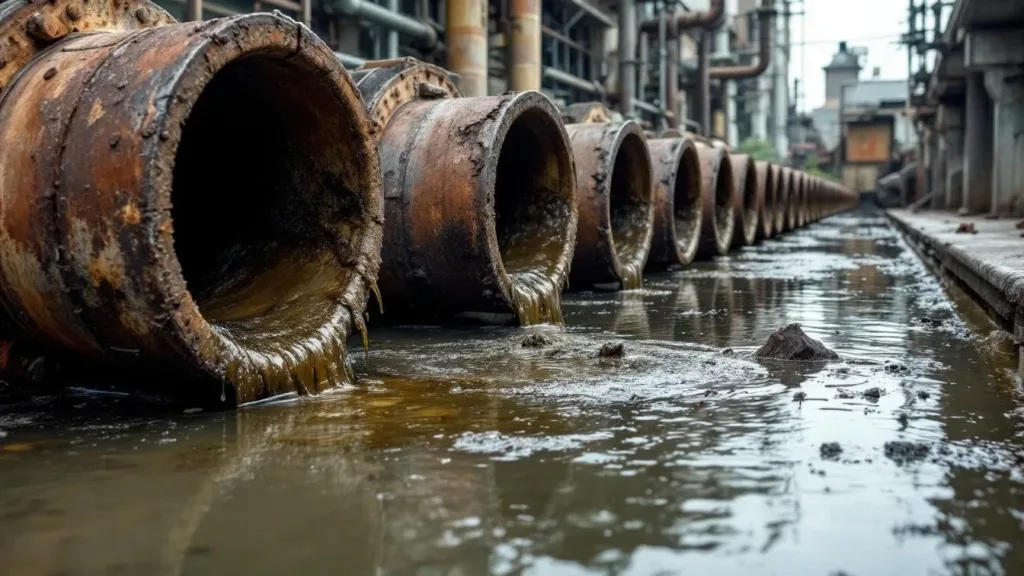
The gripping world of sewage management often lies unseen beneath our streets and buildings, where the unseen infrastructures of pipes and pumps play a pivotal role. But these hidden mechanisms can no longer be ignored, especially as they reach a critical juncture in the ongoing sewage crisis afflicting England. This documentary shines a light on the affected communities and the profound impact this crisis has on public health, environmental sustainability, and local economies. The struggle to uphold human dignity amidst this overwhelming reality connects us all, transforming what may seem mundane into urgent commentary on our societal values. With rich narratives anchored in actual experiences coupled with stark statistics, viewers are drawn into the depths of a crisis that many still perceive as an abstract issue. However, as families recount their harrowing stories, it becomes glaringly clear: the unacceptable status quo is much more than just an inconvenience; it represents a serious breach of trust that can affect our most fundamental right—the right to clean water.
The Complex Dynamics of Water Pollution and Public Health
The intertwining nature of water pollution and public health brings a complex challenge to light. Many are unaware that untreated sewage can unleash a wave of hazardous pathogens, threatening health in ways often overlooked. Historical instances highlight this: in 1999, a tragic case unfolded on a beach in Devon, resulting in the death of eight-year-old Heather Preen due to a strain of E. coli contracted from polluted waters. This horrific incident underscores the reality of waters once thought safe turning fatal, marking a poignant reminder of what is at stake when public health fails its citizens.
The Criminality of Negligence
This harrowing tale is one of many linked to a longstanding negligence that stems from systemic failures in the water management industry. Individuals like Ash Smith, a retired police detective, and Professor Peter Hammond, an expert in big data analysis, represent the citizens battling for accountability. Their efforts, documented in the Dirty Business series, have spurred major investigations into the UK’s water companies, which, since the late 1980s, have been privatised. This shocking decision has led to a financial model where profit often overshadows public responsibility. The very sector tasked with safeguarding our drinking water and natural resources has instead been complicit in fostering conditions that prioritise shareholders over communities.
As it stands, water companies discharged sewage for a staggering total of 16.3 million hours between 2019 and 2024. Such figures are not simply statistics; they reflect real lives impacted by the fallout of these practices. Moreover, families like the Preens find their experiences woven into the fabric of this ongoing crisis, pushing the narrative toward even broader implications about the safety of recreational water activities.
A Deeper Dive into the Infrastructure Crisis
Behind the facades of oscillating stock prices and dividend payments lies an infrastructure in disrepair, unable to cope with the existing demand. As the push for higher profits gains momentum, the infrastructure remains neglected, leading to a cascading series of failures impacting both daily lives and long-term environmental health. The connection between waste management and public trust is unmistakable; when families are faced with the reality of pollution, they cannot help but question the very systems designed to protect them.
Financial Accountability vs. Corporate Greed
This pervasive crisis exposes a critical disconnect. Water companies in England have, alarmingly, paid out around £76 billion in dividends while simultaneously accumulating debts totalling about £56 billion. No longer merely a question of infrastructure, these actions reveal a culture where environmental accountability is secondary to profit margins. The documentary showcases data indicating a blend of denial, deflection, and the manipulation of narratives to stymie regulatory scrutiny. What does this mean for the average citizen? It engenders frustration and anxiety, as too many find themselves trapped between soaring bills and the callous disregard of corporate leaders.
Furthermore, the role of regulatory bodies becomes suspect. As families across England push for transparency and accountability, they encounter walls erected not by ancient artifacts of bureaucracy but by active lobbying against stringent regulations seeking to curb pollution. Amidst this reality, citizens are left to wonder which safeguards now exist for their health and well-being.
Voices from the Ground: Community Impact and Resilience
At its core, this documentary does more than expose the failings of an industry; it amplifies the voices of those who suffer the consequences of negligence on a daily basis. The emotional resonance comes from stories of struggle and resilience. Families, like the Preens, confront memories filled with loss while seeking to rectify ongoing injustices. Within their narrative, viewers find a sense of collective struggle—a community united by grief and an indomitable desire for change.
Legacy and the Path Forward
While the past may loom heavy, the spirit of resilience beams brightly. Community efforts advocating for environmental accountability take shape, beckoning a new era where individuals can reclaim their right to clean water. Grassroots movements and public campaigns seek to hold corporations accountable, pushing for legislation that fosters sustainable practices. People are not merely passive recipients of government oversight but active participants, demanding that their voices echo through the halls of power.
The impact of the sewage crisis stretches beyond mere figures, as it intricately entwines itself with the core of human experience—capturing how communities can unite to reclaim their destinies. As the documentary unfolds, it beckons viewers to feel not just the frustration of the present but a vision of hope for the future.
The Broader Environmental Implications
Beyond immediate health effects, the document touches upon the environmental degradation wrought by lax regulatory frameworks and profit-driven models within the water industry. The impact of sewage and untreated discharges on waterways presents a dire situation, threatening biodiversity and ecosystems crucial to our planet’s health.
The Fragile Balance of Ecosystems
Depressed oxygen levels, for instance, lead to fish kills and a drastic decrease in species diversity, affecting entire ecosystems. Such environmental catastrophes ripple outward, influencing local economies dependent on fishing and tourism, as seen on stretches of coastline once vibrant with life now dulled by the pall of pollution.
The link between economic prosperity and environmental conservation becomes even more pronounced. As local ecosystems falter, communities grapple with dwindling resources and the loss of livelihoods. Thus, aiming for accountability is not simply an appeal for justice; it encapsulates a broader call for systemic change that can safeguard not merely human lives but the intricate web of life that shares this planet.
The sequences within the documentary serve as a call to consciousness. As the stories from affected families intermingle with stark data and academic insights, a compelling narrative emerges: one of resilience, hope, and the unwavering belief that change can be achieved if the collective will rises to the occasion.