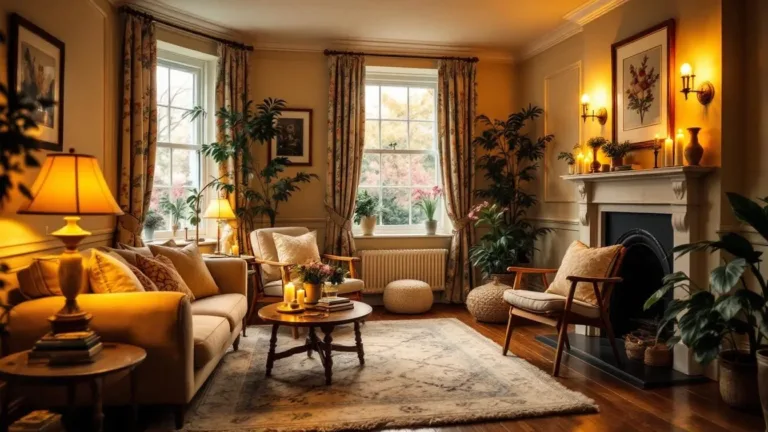
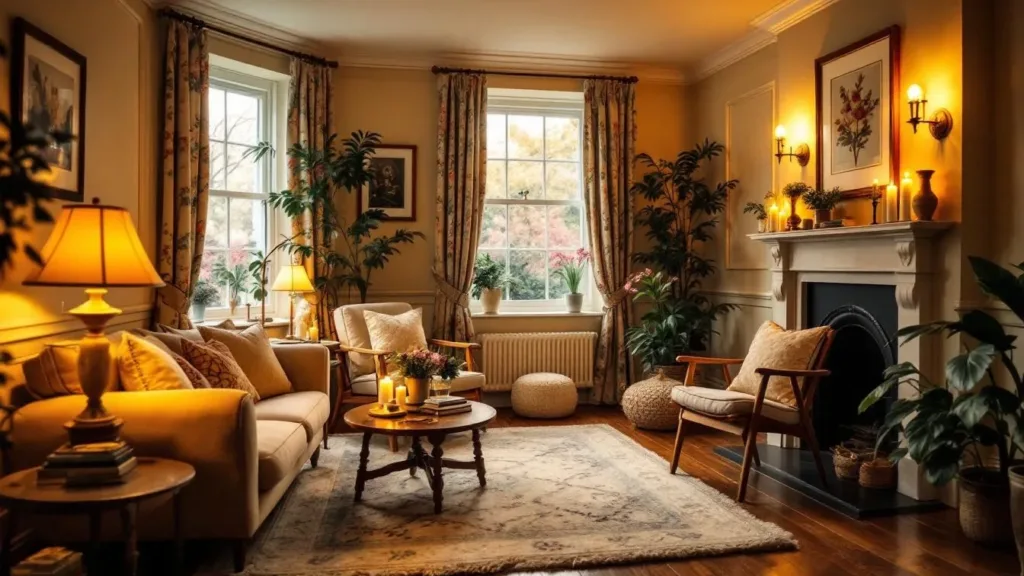
The shift in lighting preferences among British homeowners has taken a remarkable turn towards warm lighting, creating an atmosphere that feels both inviting and serene. As the days grow shorter during the autumn and winter months, the allure of warm lighting has become increasingly evident. This trend resonates deeply with the quintessentially British desire for a cozy atmosphere. From living rooms filled with the gentle glow of amber hues to kitchen spaces shimmering with soft radiance, British homes have embraced warm lighting in a way that transforms their interiors. Beyond aesthetics, this choice taps into an emotional connection, invoking feelings of comfort and tranquillity amidst the hustle and bustle of everyday life. The cultural inclination towards creating snug, inviting environments has found its perfect companion in the art of warm lighting, offering a retreat from the cold, stark nature of cooler light tones.
Understanding the Science Behind Warm and Cool Lighting
The fundamental difference between warm and cool lighting is rooted in colour temperature, which is measured in Kelvins. While cooler light, which sits at around 3,000 to 6,500 Kelvins, emits a bright, almost clinical tone, warm light, ranging from approximately 1,000 to 3,000 Kelvins, radiates hues reminiscent of candlelight. Warm lighting contains more red, orange, and yellow tones, creating an experience that feels inviting and relaxed. As the busy urban lifestyle in cities like London and Edinburgh can often lead to stressful living conditions, the embrace of warm lighting in home decor serves as a psychological tool aiding relaxation and comfort.
Research has shown that the colour temperature of light has a significant impact on our mood and overall well-being. Warmer lighting has been linked to increased levels of melatonin, the hormone responsible for inducing sleep, which is essential for maintaining a healthy circadian rhythm. In contrast, cooler light can suppress melatonin production, keeping individuals alert and awake—ideal for workplaces and commercial settings. Therefore, the emerging trend towards warm lighting within British homes can be viewed not just as a mere aesthetic preference but as a deliberate choice to create a more health-conscious living space.
Moreover, the integration of warm lighting into interior design extends beyond simply switching on a warmer bulb. Designers and homeowners alike have begun to explore the intricate interplay between light and space. Dimmer switches allow for varied levels of brightness, enabling a transitional experience as daylight fades. This adaptability has become essential in modern homes, where multifunctionality is key.
Cultural Influences on Lighting Choices
The obsession with warm lighting in British homes also reflects a deeper cultural trend. Historically, British interior design has emphasised comfort, warmth, and a connection to nature. The influence of biophilic design, which advocates for incorporating natural elements into architecture and interiors, aligns seamlessly with the desire for warm lighting. Soft, warm light mimics the beautiful golden tones of sunlight, inviting a sense of nature indoors.
The idea of “hygge,” a Danish term that represents a quality of coziness and comfortable conviviality, has permeated British culture in recent years. This emphasis on creating inviting spaces draws homeowners toward warm lighting choices that enhance these feelings. Dining rooms set for family gatherings, living areas designed for relaxing evenings over a good book, are painted in soft hues that make the space feel alive and cherished.
As people spend more time indoors during colder months, the ritualisation of evenings at home has gained traction. The retreat to one’s living space has become a cherished way to connect with loved ones or oneself. With warm lighting playing a central role, these gatherings become more intimate, creating a backdrop where stories can be shared and memories made. Whether it’s soft glow from wall sconces or the ambient light from LEDs, the tone set by warm lighting transforms everyday activities into cherished experiences.
Practical Applications in Interior Design
Implementing warm lighting into home spaces requires thoughtful consideration regarding its application. In living areas, it’s common for homeowners to choose fixtures that provide a soft, diffused light to coax an inviting ambiance. For example, floor lamps with fabric shades can disperse warm light gently, wrapping occupants in a comforting glow. Contrastingly, kitchens have evolved from merely functional spaces to hubs of family interaction, where a mix of lighting temperatures is often employed. Here, warmer tones illuminate central areas while cooler lights assist in task-oriented zones like countertops, ensuring a practical yet comforting kitchen atmosphere.
Bathrooms present a unique challenge in terms of lighting. While cooler lighting often aids in grooming tasks, a balance can be found by incorporating warm dimmable options, perfect for relaxed bath times. Lighting features around mirrors could blend cooler and warmer tones, transitioning from bright, clinical light for those early mornings to soft, warm light for evening unwinding. The use of layered lighting strategies in various settings enhances the versatility of spaces while maintaining comfort.
For gardens and outdoor spaces, warm lighting is equally vital. A well-lit terrace or patio can extend evening gatherings, inviting companionship under the soft glow of outdoor LEDs or fairy lights, which have gained popularity due to their capacity to create a warm and whimsical atmosphere. Highlighting pathways with warm lights enhances both safety and aesthetic appeal, forming a welcoming landscape for guests and family alike.
The Emotional Impact of Lighting Choices
Choosing warm lighting is profoundly influenced by its emotional resonance. Warm light evokes memories of family dinners, cozy fireside chats, and tranquil evenings with a favourite book or music. It encourages relaxation, facilitating a gentle unwinding process at the end of a long day. Such emotional connections to lighting derive from our evolutionary ties to daylight and darkness; we instinctively gravitate towards environments that remind us of safety and familiarity.
Moreover, as cities become more populated and fast-paced, the longing for a soothing environment becomes more pronounced. Consequently, homeowners are finding solace in the subtle assertion of warm lighting that encapsulates love and comfort within their personal retreats. In turn, warm lighting becomes more than a mere preference; it is intertwined with personal identity and well-being, grounding individuals in both their physical and emotional landscapes.
As the choice of warm lighting continues to capture the hearts of many, British homes are evolving into sanctuaries filled with affection and warmth. In a world driven by external demands and fast-paced routines, it is this gentle embrace of warm lighting that nurtures not just the spaces we inhabit but the connections we cultivate.