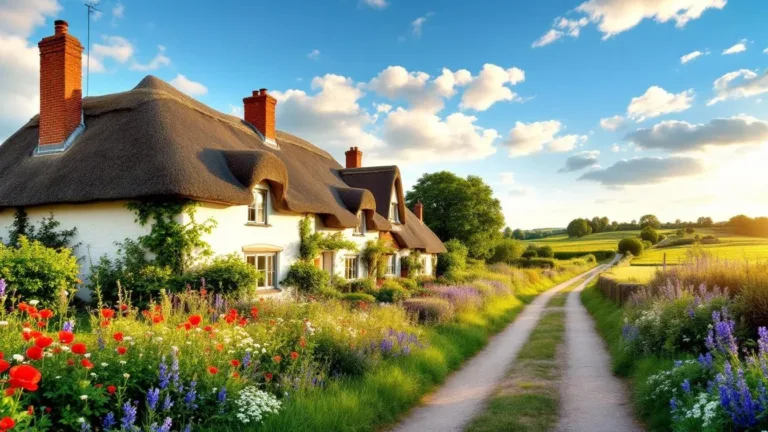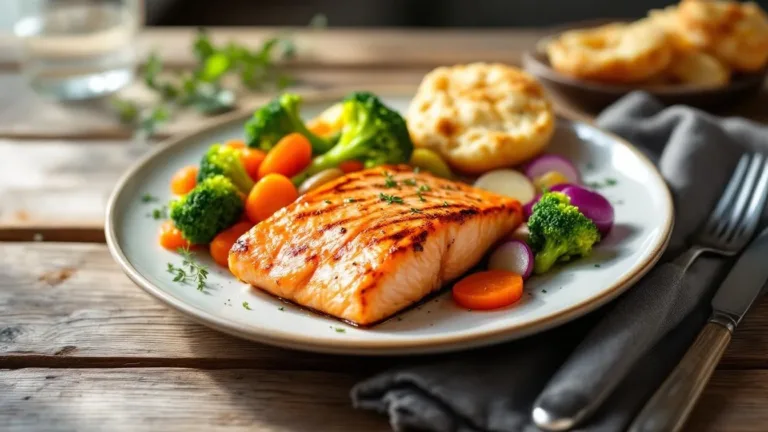
The enchanting allure of Scottish cuisine has found its way into the hearts and homes of many across the UK, as regional recipes emerge from the shadows of tradition to take centre stage. The culinary landscape of the UK is often celebrated for its rich tapestry of flavours, but it is the rustic charm of Scottish recipes that is creating a stir. Inviting warmth and hearty ingredients characterise these cherished dishes, which have their roots deep in Scotland’s history and culture. The infusion of nostalgia and comfort found within each meal beckons even those unfamiliar with Scottish culture to take a bite and appreciate the unique blend of flavours and textures.
Among the dishes that have recently captivated taste buds is the iconic haggis. Although it sparks debate due to its unconventional ingredients, it’s invaluable in understanding the depths of Scottish culinary heritage. Alongside haggis, one can find hearty soups like Cullen skink, a dish renowned for its creamy texture and the deep, comforting flavours of smoked haddock. These dishes resonate beyond their borders, promoting a deeper appreciation for the regional flavours of Scotland, often spurring food trends across the UK. The beauty of these recipes lies not just in their taste but in the sense of community they foster, inviting people to gather, share stories, and enjoy life together around a table laden with Scotland’s finest offerings.
The Heart of Scottish Cuisine: Haggis and Its Significance
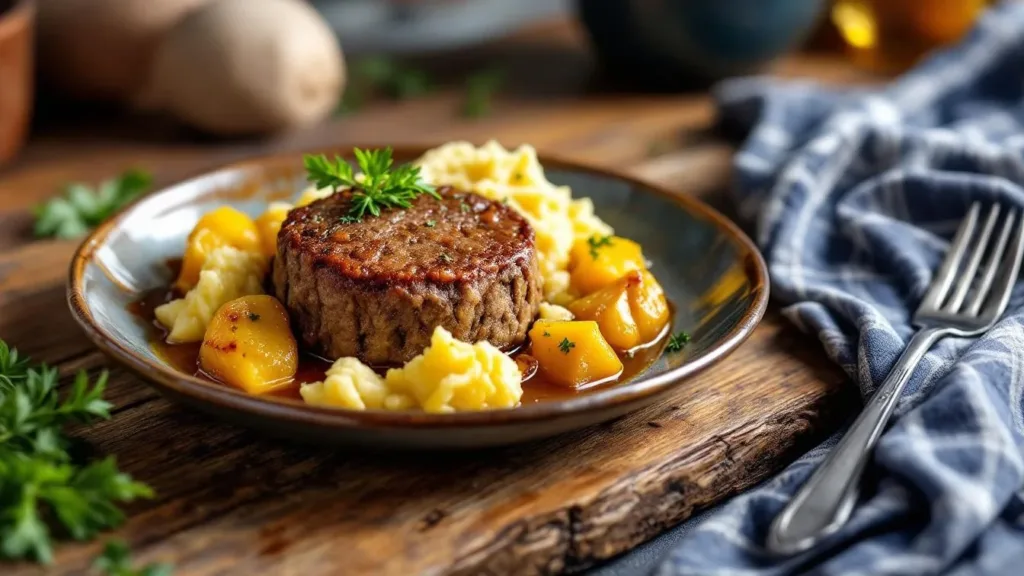
No discussion of Scottish cuisine would be complete without haggis, a dish that epitomises the soul of Scottish food culture. Traditionally consumed on Burns Night, haggis is often viewed as Scotland’s national dish, steeped in tradition and folklore surrounding Scottish poet Robert Burns, who penned a famous poem dedicated to the dish. The combination of sheep’s lungs, liver, and heart mixed with oats and spices is encased in a sheep’s stomach before being boiled to perfection. Surprisingly, despite its unusual ingredients, those who stumble upon the dish find its flavour remarkably agreeable, with its savoury and slightly nutty profile.
Interestingly, this dish has evolved over the years, with modern interpretations offering vegetarian versions filled with mushrooms and pulses, ensuring that no one misses out on this culinary experience. Beyond its culinary significance, haggis holds a special place in the heart of Scottish culture—it represents endurance and the resourcefulness of the Scottish people throughout history. Sharing a plate of haggis invites stories of family traditions, whether it be the meticulous preparation during festivals or the joyful gatherings that accompany this quintessential dish.
The Ritual of Burns Night
Integral to the appreciation of haggis is its connection to Burns Night, celebrated annually on January 25th. This festival commemorates Robert Burns’s birth, and a central part of the evening involves a ceremonial addressing of the haggis, which is traditionally accompanied by a dram of whisky and lively conversation. Guests often share poems and songs, celebrating Scottish literature while savouring the warmth of their meal. Such gatherings create a sense of belonging, as haggis does more than just warm the stomach—it warms the heart.
Soups That Speak of Comfort: Cullen Skink
Highland storms and rainy days find their perfect companion in Cullen skink, a traditional Scottish soup that epitomises comfort and heartiness. Originating from the fishing town of Cullen in Moray, this dish marries smoked haddock with onions, potatoes, and milk, creating a creamy soup that feels like a warm embrace. Its origins can be traced back to the late 19th century when local fishermen relied on available ingredients, making it a perfect example of humble, regional cuisine.
As the dish gained popularity, it evolved from its simple beginnings to become an anthem of Scottish culinary tradition. The annual Cullen Skink World Championships stand testament to its significance, where chefs from around the world compete to showcase their interpretation of this beloved soup. The event draws visitors from near and far, gathering not only to relish the myriad flavours but to celebrate community and culture, showcasing just how food can unite people across generations.
A Recipe for Resilience
What makes Cullen skink truly remarkable is its adaptability. In contemporary recipes, variations may include additions such as leeks or cream to enrich its flavour profile. Tasty yet practical, this soup illustrates Scotland’s knack for transforming modest – yet easily accessible – ingredients into something profoundly comforting. It embodies resilience, reminding eaters of the importance of local produce and companionship, making it a delightful addition to any kitchen across the UK.
The Sweet Endings: Cranachan and Traditional Shortbread
Turning to the sweeter side of Scottish cuisine, cranachan offers a delightful twist on dessert. This layered treat, composed of cream, raspberries, oats, honey, and a splash of whisky, is as much a celebration of flavours as it is a testament to the charm of Scottish culinary simplicity. An enticing dessert steeped in history, cranachan reflects the seasonal bounty of Scotland, providing a taste of summer even in colder months. Over time, variations have flourished, allowing for creative expressions while still capturing the essence of the original recipe.
Closely linked to the Scottish landscape, cranachan is often served after lighter dishes like haggis during celebratory meals, effectively marrying tradition and innovation. Just as the dish has evolved over the years, its evolution from a simple breakfast to a sumptuous dessert marks a compelling narrative of the Scottish culinary journey. It showcases a playful spirit towards creation while honouring the past—a beautiful balance indeed.
A Classic Favourite: Shortbread
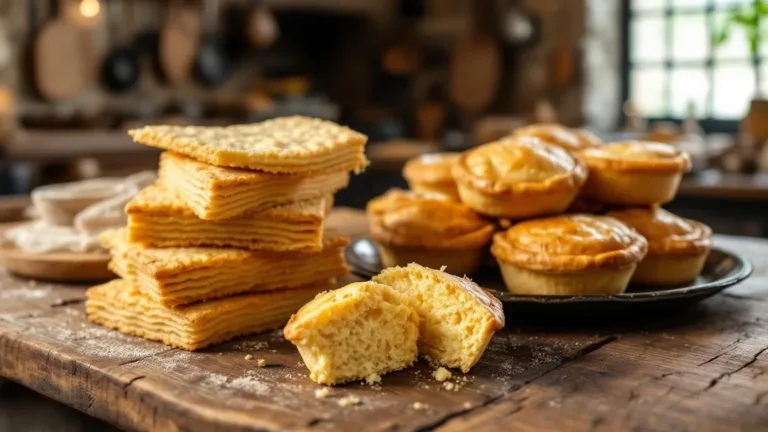
Alongside cranachan, the tender crumble of Scottish shortbread has captured hearts and taste buds far beyond Scotland’s borders. This indulgent treat, rich with butter and often enjoyed during festivities, has become symbolic of Scottish baking traditions. One cannot mention shortbread without reflecting on Mary, Queen of Scots, who famously relished this buttery delight. Today, shortbread comes in various forms, from delicate petticoat tails to the thick fingers many adore, offering something for everyone.
Even in modern kitchens, this timeless recipe has adapted to fit various dietary needs, as alternative versions using coconut oil or nut butters gain popularity. The history of shortbread speaks volumes about Scotland’s ability to innovate while honouring its heritage—demonstrating that traditional food can indeed evolve without losing its roots. Serving shortbread alongside tea or during celebrations allows people to form connections, sharing stories and laughter, further emphasizing its role in Scottish social life.
Why These Recipes Matter Today
The growing affection for these Scottish recipes across the UK hints at something deeper—a yearning for authenticity in gastronomy. In a culinary world increasingly dominated by fast food and mass production, regional recipes like haggis, Cullen skink, cranachan, and shortbread remind diners of the pleasures and warmth of home-cooked meals. They speak to the very essence of comfort food, inviting people to reflect on familial traditions, creating memorable experiences around shared meals. Adopting these dishes into daily life promotes not only a diverse food culture but also fosters appreciation for the time-honoured skills of traditional cooking.
As Scotland exits its own culinary shadow and finds traction in broader UK cuisine, new generations are discovering and embracing these rich recipes. This embrace not only preserves the culinary heritage of Scotland but strengthens the ties that bind all who partake in these delectable offerings. For those who have yet to experience the joy of embracing authentic Scottish fare, the communal atmosphere and deep flavours await, enlivening gatherings and personal kitchens alike.