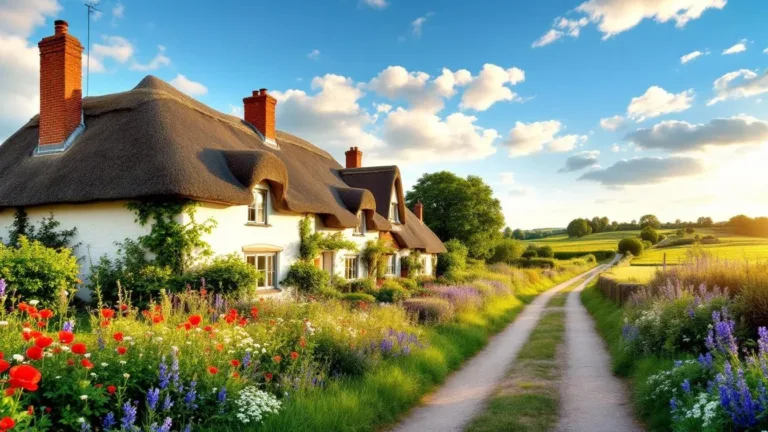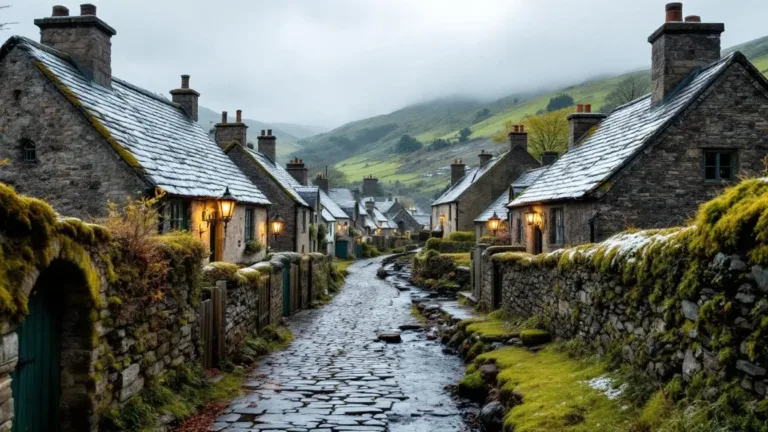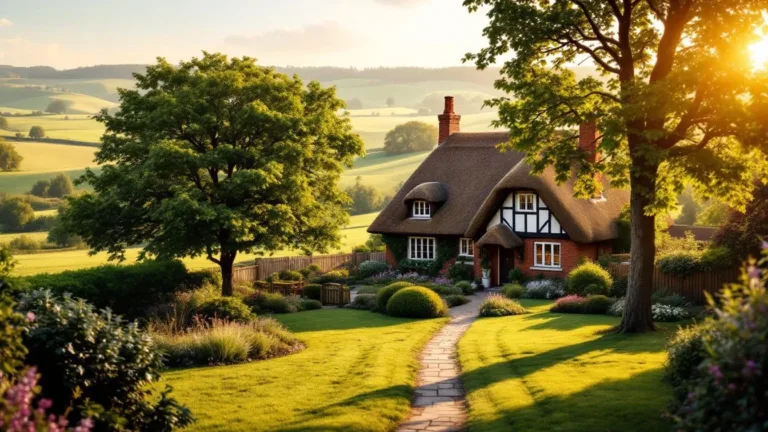
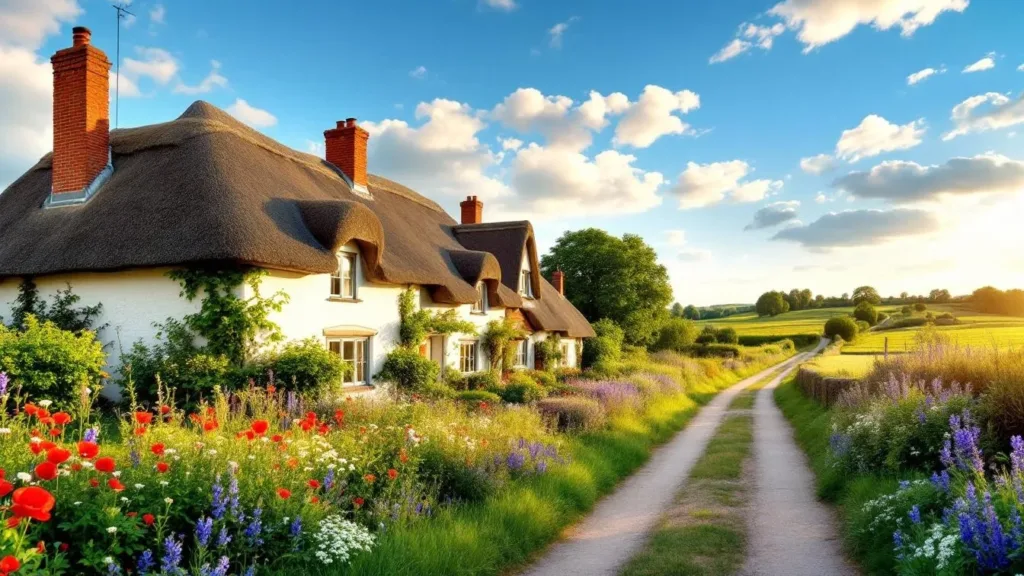
In recent years, especially following the heightened pressures of the pandemic, a noticeable shift has taken place among city dwellers in the UK. A growing number of individuals find themselves disillusioned with the hustle and bustle of urban life, seeking refuge in quieter, more serene environments. The steady climb of dissatisfaction among Londoners and other city residents reveals a collective yearning for a return to simpler living, a lifestyle that offers more than just the frenetic energy of city life. This journey towards a less complicated existence not only reflects economic shifts but also a broader cultural reevaluation, where the importance of mental well-being and work-life balance increasingly takes precedence. As people embrace the notion of a rural lifestyle, the charm and tranquillity of the countryside beckon—a haven for those escaping city stress.
The Urban Exodus: A Rising Trend in City Migration
Over the past several years, particularly since 2020, the phenomenon of urban escape has been noteworthy. The pandemic has acted as a catalyst, prompting nearly half a million people to reconsider their living situations and relocate to more peaceful surroundings. While London has long been viewed as the heart of opportunity and modern comfort, it has also become synonymous with rising rent prices, overcrowding, and a relentless pace that many find unsustainable.
In 2023, reports indicated that approximately 860,000 people left London, seeking a reprieve from the urban grind. With an average price of £634,000 for a three-bedroom terraced home, the costs of city living have skyrocketed, leaving many feeling trapped in a system that seems to favour the affluent. The widening gap between income and housing prices has catalysed a significant migration towards areas offering more reasonable living conditions.
Changing Attitudes Toward Work and Community
More than just a search for a larger space or lower rents, many individuals are redefining what success means in their lives. As remote work becomes increasingly accepted, city workers are no longer tethered to their physical workplaces. Taking advantage of flexible arrangements, they now consider destinations like Maidenhead or St Albans, both of which boast excellent transport links yet offer a substantially lower cost of living than London.
Some find themselves drawn to the tranquillity of towns like Margate or the coastal allure of Devon, where community spirit thrives amidst the scenic landscapes. These smaller towns are appealing not only for their affordability but also for their enriched quality of life—where leisurely morning strolls and community events replace the relentless schedules of urban living. Such geographical transitions allow for connections that nurture well-being and offer a sense of belonging.
The Allure of the Countryside
In contrast to the urban sprawl, the countryside represents a lifestyle steeped in simplicity and connection to nature. Places like Cornwall, often sought after for their stunning coastlines and rural charm, offer a refuge for those craving outdoor adventures. The average property prices in these areas are considerably lower, with semi-detached homes in Cornwall starting around £291,000. This substantial difference makes it easier for families to secure a comfortable living space in a nurturing environment.
Moreover, as society gradually embraces the concept of slow living, the desire to find balance in day-to-day life has significantly accelerated the migration toward these rural locations. In Wiltshire or South Oxfordshire, for instance, the picturesque landscapes and slower pace create the perfect environment for building deeper connections—both with oneself and with others. Life in the countryside typically comes with reduced noise and the luxury of time, fostering a renewed appreciation for simplicity that urban life often obscures.
The Economic Factors Driving Change
The economic realities of city living, particularly in London, cannot be understated. As the cost of living continues to rise alongside housing prices, many are left feeling disillusioned. Prospective homebuyers, especially first-time buyers, grapple with the harsh reality of needing to earn over £120,000 to secure a mortgage for an average home. Consequently, the devastation of the housing crisis has served as a significant impetus for migration out of urban settings.
Au Revoir to Overpriced Living
As the house price index reveals, properties in regions like St Albans or Maidenhead remain more accessible, while offering families a blend of urban conveniences and rural charm. These regions often present a superior quality of life, with parks, schools, and community spaces readily available for families to enjoy. For instance, Maidenhead has seen an influx of new residents since the opening of the Elizabeth Line, which offers a swift 45-minute commute to central London—allowing former Londoners to enjoy the best of both worlds, balancing urban employment opportunities with rural comfort.
In many cases, moving out of the city isn’t merely about finding a place to live; it’s fundamentally linked to a transformation in lifestyle. With the rising trend of hybrid and remote work, workers are no longer encumbered by geographical constraints. Once considered a luxury or a temporary solution, remote work has become a norm, supported by the organisational shift during the pandemic. This flexible work arrangement has transformed the way individuals envision their everyday lives and redefined their aspirations.
A New Draw Toward Community and Connection
Having traded in the chaos of city life, many discover a newfound appreciation for community ties in their new environments. The intimate and close-knit nature of rural settings fosters a sense of belonging, bolstered by local events and community initiatives. Each day provides opportunities to forge connections that enrich lives in ways that the anonymity of urban environments often fails to deliver.
In essence, the migration from UK cities is not simply about moving from one location to another; it signifies a yearning for a lifestyle that prioritises genuine connections, health and well-being, all while celebrating the beauty of the natural world.
Experiencing the Slow Living Movement
As the concept of slow living gains traction, many individuals find themselves re-evaluating their priorities. The soil of this movement is rich with the idea of experiencing life fully, appreciating the little moments that often go unnoticed amid the relentless pace of urban existence. Whether it’s enjoying a pint at a local pub, participating in community gardening, or simply sitting in silence and watching the sun set over the hills, this slower pace cultivates a sense of mindfulness that deeply resonates.
Embracing Nature and Wellness
Individuals moving to rural locations often cite their desire for easier access to nature as a driving factor. The expansive fields, tranquil lakes, and lush forests beckon, inviting those who yearn for adventure and serenity. Towns like Exeter and Bath provide not only natural beauty but also wellness resources that facilitate healthy living. Rustic retreats, yoga studios, and holistic communities serve as platforms for individuals eager to engage in self-care.
The lower cost of living in these communities allows for more creativity and flexibility in one’s lifestyle. The pressure to keep up with city expenses often leaves little room for personal well-being and growth. By removing these constraints, residents often pursue hobbies and interests long neglected in the hustle of urban life. The warm engagements with local initiatives foster connections that enrich not just individual lives, but the fabric of the community. As the rhythms of life shift, people experience a reconnection with their authentic selves.
Where to Find Your New Home
For those contemplating this transition, towns such as Epsom, Reading, and places along the southern coast may stand out as promising options. Each offers a blend of manageable housing prices alongside a nurturing community vibe. As individuals navigate these choices, the quest for a simpler life can present opportunities that not only satisfy financial needs but also cater to emotional and mental well-being.
Ultimately, this migration represents a broader cultural shift—one that embraces individual wellbeing, prioritises mental health, and celebrates the subtleties of life that urban environments often render obsolete. This search for slow living amid the chaotic chatter of cities serves as a reminder that serenity and connection lie just beyond the horizon.
This migration towards simpler living offers a glimpse into a future where well-being is paramount, allowing individuals to breathe more easily, tethered to their roots and their communities.