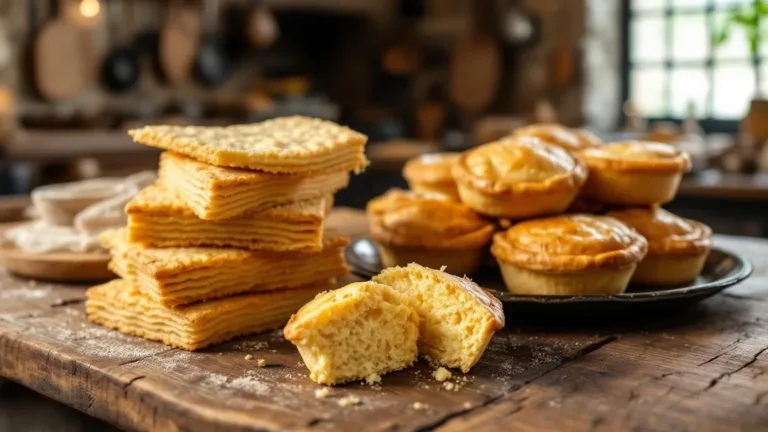
In the heart of Scotland, beneath the towering peaks of the Highlands and against the backdrop of windswept glens, there lies a time-honoured tradition: the art of baking shortbread. A simple yet decadent treat, Scottish shortbread is the essence of culinary heritage distilled into a delicate, buttery biscuit. For generations, families have gathered in their kitchens, the comforting scent of freshly baked shortbread wafting through the air, as they pass down treasured recipes and stories. As the rain taps rhythmically against the window panes of quaint homes, people find solace in crafting these exquisite morsels, which echo the very spirit of Scotland. Indeed, in a world overwhelmed by mass production, the allure of a homemade Scottish shortbread recipe lies not just in its ingredients but in the memories forged with each bake.
The Rich History of Scottish Shortbread
To understand the significance of shortbread in Scottish culture, one must delve into its rich and storied past. The origins of this delightful biscuit can be traced back to the 12th century, where it began as a simple bread, twice-baked for preservation. However, the transition to shortbread came as butter became more accessible, turning a utilitarian recipe into a luxurious indulgence. By the 16th century, shortbread had firmly established itself as a festive staple. Royal associations added to its allure; none more so than the legendary Mary, Queen of Scots, who was said to favour the “petticoat tails” variety—a round shape cut into wedges resembling her elaborate dresses.
As time unfolded, shortbread became synonymous with celebrations. During Hogmanay, the Scottish New Year, it was traditional to gift shortbread to first-footers, the first visitors of the year, symbolising good luck and prosperity. The marriage of flavour and history has made this biscuit a beloved companion to tea, a must-have at weddings, and a cherished treat during festive gatherings. The shortbread tin, often adorned with tartan patterns, has become a treasured heirloom, passed down through generations, a testament to the enduring love for this delectable biscuit.
The Simple Ingredients Behind the Magic
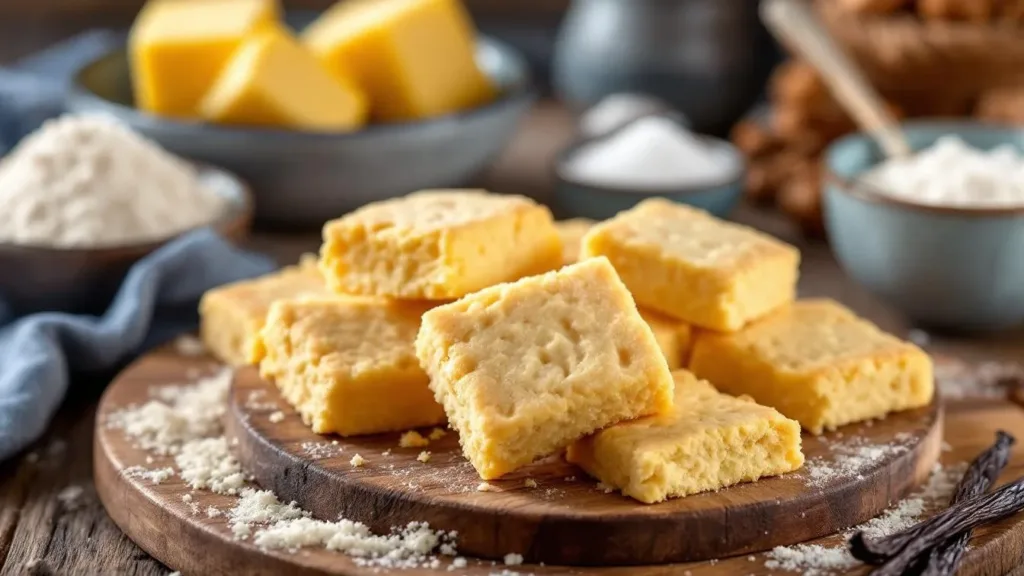
At first glance, the recipe for Scottish shortbread appears remarkably straightforward, requiring only five core ingredients: butter, sugar, flour, rice flour (or cornflour), and a pinch of salt. However, the beauty lies in their quality. The choice of butter is critical; using high-fat salted butter ensures a rich flavour that elevates the entire aromatic experience. Caster sugar or icing sugar can be selected based on personal preference, with the former providing a delightful crunch and the latter, a softer texture.
Plain flour forms the base of this culinary masterpiece, giving the shortbread its characteristic crumbly texture. The optional addition of rice flour or cornflour is not merely a matter of personal preference; each plays a unique role. Rice flour brings a slight crunch, while cornflour offers a feather-light melt-in-the-mouth quality. Finally, the pinch of salt enhances the overall symphony of flavours, ensuring that every bite is balanced and satisfying.
Perfecting the Baking Process
Creating the ideal Scottish shortbread is an honourable challenge, replete with nuances that can significantly impact the final product. The method begins with combining the dry ingredients in a bowl, mixing flour and sugars carefully before adding the softened butter. It’s important that the butter is at room temperature; too cold or too warm will yield undesirable results. The dough should be mixed gently until all dry ingredients are just combined, avoiding overworking to uphold its delicate crumb.
As the dough forms, it’s crucial to treat it with care, pressing it firmly but not harshly into your chosen baking tray—often a square tin for traditional fingers or round for petticoat tails. Marking it lightly with a knife and pricking the surface with a fork ensures that the finished product has both the classic shape and texture. In Scotland, using the tip of the knife to score the dough is not just a functional step; it connects the baker to hundreds of years of tradition.
Adjusting Baking Times and Temperatures
When it comes to baking the shortbread, patience is key. The optimal temperature of 160°C (320°F) allows the biscuits to bake through without browning too rapidly. The aroma of baking shortbread wafts through kitchens, enchanting anyone nearby, and is a sure sign that magic is in the making. Depending on the shape, baking times vary—a mere 20 minutes for traditional fingers, while rounds may take slightly longer. Observing the subtle colour change is essential; the goal is a faint golden hue around the edges.
Once baked, it’s vital to leave the shortbread in the tin for a brief period. This allows it to firm up, making it less prone to crumbling upon slicing. Sprinkling some caster sugar on the warm surface adds a touch of sparkle and sweetness, finishing off each piece beautifully. It’s these small details that transform the everyday into the extraordinary—a reminder that homemade shortbread is not simply a biscuit; it’s an experience infused with love and memory.
The Irresistible Allure of Homemade Versus Store-Bought
In an era dominated by convenience, the choice between homemade and supermarket shortbread can often feel like an afterthought. However, anyone who has indulged in freshly baked shortbread can attest to the difference—a buttery richness and crumbly texture that simply cannot be replicated in mass production. While shops like Walkers have popularised Scottish shortbread, they often sacrifice the warmth and heart that come from baking at home.
Consider the simple pleasure of baking in one’s kitchen: the rhythmic creak of wooden spoons, the gentle conversations shared between family members as they prepare ingredients, and the warmth radiating from the oven. It creates a tapestry of experience, woven into each biscuit. In comparison, purchasing shortbread from the shop lacks that intimate connection.
Gift the Experience of Shortbread
Homemade shortbread has a special magic, especially when given as gifts. Friends and family cherish these beautifully wrapped treats that speak volumes about care and thoughtfulness. This is particularly true during festive seasons; a tin of homemade shortbread is welcomed in every household as a heartfelt gesture. Imagine a parent gifting their child a weekend baking adventure, passing along the family recipe, with laughter and flour dust filling the air—each piquant taste binding them together across generations.
Storing and Enjoying Your Shortbread
Once the shortbread cools entirely, the question of storage arises. Ideally, it should be kept in an airtight container to maintain its delightful texture. With proper care, it may last for up to two weeks; however, the reality in many homes is that it doesn’t last long enough for anyone to worry about its longevity. Every bite calls for an encore, each piece disappearing faster than the last.
Moreover, shortbread has an admirable trait: its ability to freeze without losing quality. Wrapped securely, it may be stored in the freezer for up to three months, preserving those fond baking memories for later enjoyment. Whether indulging alone with a steaming cup of tea or sharing with loved ones, shortbread always finds its way to centre stage, evoking a sense of joy in every occasion.
Pairings That Elevate the Experience
While shortbread triumphs on its own, pairing it with something special enhances the overall experience. In Scotland, it’s customary to enjoy shortbread with tea, and many households host tea spreads adorned with an array of biscuits, scones, and sandwiches. For a more festive treat, consider serving shortbread with a splash of whisky; the grains practically dance together, creating a delightful contrast between the sweet and the spirit.
Celebrating with Scottish Shortbread
Throughout the year, Scottish shortbread finds itself central to various celebrations, from festive holidays to commemoration of loved ones. On Burns Night, a special occasion to celebrate Scotland’s national poet, Robert Burns, shortbread shares the table with haggis and whisky, narrating stories of heritage and pride. The act of making shortbread for these gatherings imbues it with collective memories, uniting families and friends over shared experiences.
Thus, the magic of shortbread transcends its status as merely a biscuit. It embodies a connection between past and present, a thread weaving through time and memory. Each piece of shortbread encapsulates the essence of homemade warmth, echoing laughter in kitchens across Scotland. For those fortunate enough to share in this experience, the humble biscuit becomes a tapestry of life’s simple joys—a treasure valued beyond measure.