
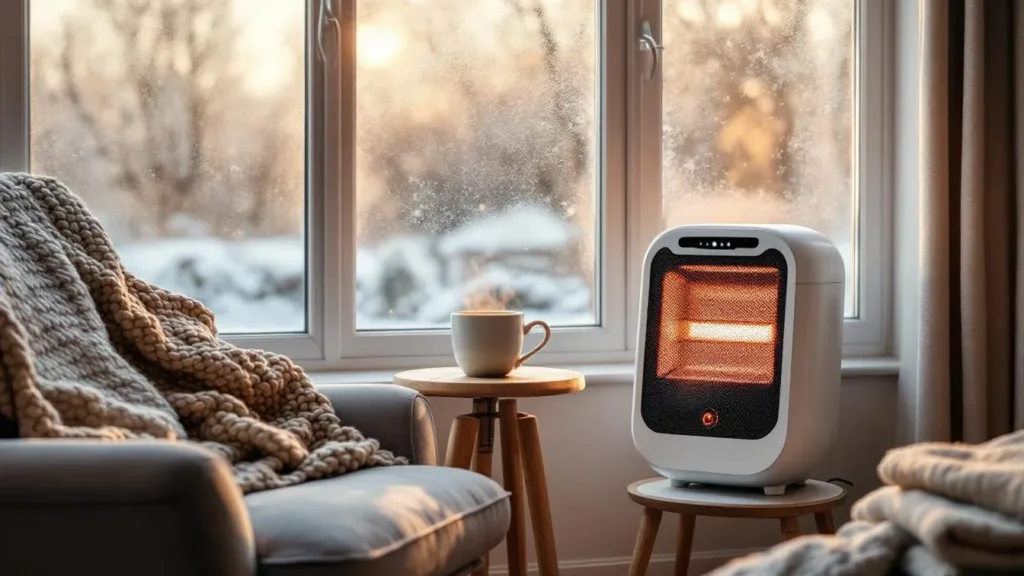
As the brisk winds begin to wrap around the quaint streets of Edinburgh and the evenings grow noticeably shorter, UK homeowners face an essential task of preparation. The arrival of winter brings not only chilly temperatures but also a host of challenges that can turn a snug abode into a frigid space if ignored. It’s during this season that homes require a certain element of readiness, particularly in the face of rising energy bills and the constant threat of frost damage. The importance of ensuring your home is properly equipped cannot be overstated. It’s about more than comfort; it’s about creating a sanctuary against the biting cold of the season.
Within the charming towns and countryside of the UK, the essence of home protection is rooted in practical measures that promise warmth and safety. From the cobbled lanes of York to the rolling hills of the Lake District, residents understand the importance of being proactive. With every click of the kettle, every flickering candle light, there lies the undeniable need for one critical element of winter readiness in any UK home. Embracing this simple aspect not only safeguards against the icy grip of winter but also nurtures the heart of the home. This season, the question persists: what is the one thing every UK home should have to face winter with resilience?
Understanding the Essence of Home Insulation
The heart of winter preparation lies in the often-underestimated concept of insulation. Good insulation acts as the first line of defence against the ravages of cold weather. Insulating your home properly can drastically reduce heat loss and, in turn, lower those daunting energy bills that inevitably rise during the winter months. Homes that lack adequate insulation often suffer from a variety of issues, such as mould growth and uncomfortable cold spots.
To illustrate this importance, consider a typical two-bedroom Victorian terrace house, common in cities like Liverpool and Glasgow. Without proper insulation, such a home could lose approximately 25-30% of its heat through its walls and roof. It’s a staggering figure that highlights the urgency of addressing insulation before the winter season settles in. Many older homes, especially those built before the era of strict building regulations, may have insufficient insulation, making them prime candidates for energy wastage.
The Benefits of Effective Insulation
Insulation not only keeps homes warm but also contributes significantly to energy efficiency. When the heat generated by radiators or central heating systems remains trapped within the home, it promotes a stable and comfortable environment. With energy prices fluctuating, investing in high-quality insulation can yield impressive savings over time. Studies suggest that proper insulation can save homeowners up to £400 annually on energy bills, a considerable sum that could ease financial pressures during the colder months.
Moreover, increased insulation contributes to a reduced carbon footprint. As more households strive to lower their environmental impact, insulating homes aligns with this goal. By using less energy to heat a home, less reliance is placed on fossil fuels, directly benefiting the environment. For many families, the benefits go beyond mere comfort; they reflect a commitment to sustainable living.
Types of Insulation to Consider
When contemplating insulation options, a myriad of choices are available tailored to various needs and structures. For example, loft insulation is often cited as one of the most cost-effective forms of insulation. By simply ensuring that the loft space is well insulated, significant improvements in heat retention can be achieved.
Furthermore, cavity wall insulation is another excellent option, particularly for homes built with cavity walls. This involves filling the gap between the walls with insulating material, effectively preventing heat escape and cooling downdrafts. For older homes with solid walls, external insulation is sometimes necessary, albeit a slightly more complex solution requiring professional installation.
Draught Proofing: Keeping the Cold at Bay
A crucial companion to insulation is draught proofing. It’s surprising how much cold air can invade the warmth of a home through the tiniest of gaps around windows, doors, and even floorboards. These draughts can be effectively sealed with relatively inexpensive materials, making draught proofing a highly accessible form of winter preparation.
In many cases, homeowners can undertake simple tasks such as using weatherstripping on doors and windows or utilising draft excluders to seal gaps. For example, in a typical family home in the suburbs of Manchester, sealing gaps around doors and windows can prevent excessive heat loss, maintaining comfort without over-relying on heating systems.
Practical Draught Proofing Solutions
Among the practical solutions, window film has gained popularity in recent years. This involves applying a transparent film to windows that serves as an additional insulating layer. Not only does this prevent heat loss, but it also reduces condensation, which can lead to damp issues—a persistent concern in the humid climate of the UK.
Another effective measure is the installation of heavy curtains or thermal blinds. By simply drawing these curtains at dusk, one can create an insulating barrier against the chilly breeze of winter nights. Moreover, during the day, allowing natural sunlight to flood in through well-fitted windows can warm a room, showcasing the benefits of both insulation and draught proofing.
Emotional Comfort of a Well-Prepared Home
Beyond the tangible benefits of comfort and cost savings, there lies an emotional aspect to a well-prepared home. There’s a certain peace of mind that comes from knowing that one’s home is a sanctuary, insulated from the biting cold. It’s a reflection of care and nurturing—an environment where families can thrive despite the weather’s whims.
Maintenance: The Backbone of Winter Readiness
When preparing a home for winter, maintenance becomes an integral aspect. A home showcasing signs of neglect may succumb to various issues, including deteriorating insulation and the impacts of mould. Regular maintenance, however, can prolong the life and performance of the home, ensuring that it remains warm and inviting when the first frosts arrive.
For instance, inspecting and servicing the heating system is paramount. Many families may overlook setting the boiler for winter, leading to potentially significant breakdowns during peak usage times. Having a qualified engineer conduct annual checks serves not only to extend the life of the boiler but also assures homeowners that their heating system is efficient and safe.
Key Maintenance Tasks to Undertake
Among the essential tasks are checking for leaks in the plumbing and ensuring that gutters are clear from leaves and debris. Clogged gutters can lead to water pooling and freezing, which may further lead to serious structural damage. A roof inspection to prevent the accumulation of ice dams is also advisable.
Homeowners should also consider checking smoke and carbon monoxide detectors. In the home, safety takes precedence during winter months. Testing these devices and replacing batteries ensures that families are protected while they enjoy the warmth of their well-maintained homes.
The Role of Smart Technology in Winter Preparation
In the age of technology, smart devices have transformed how homes operate, particularly in the realm of comfort and energy efficiency. Smart thermostats, for instance, enable homeowners to control their heating remotely, adjusting temperatures to suit their daily routines. This not only allows for efficient energy management but also ensures warmth upon returning after a cold day out.
Devices such as Hive or Nest can learn the preferences of their users, adjusting settings in an intuitive manner. For families juggling busy schedules, such technology presents an easy and seamless way to maintain a cosy atmosphere without excessive expenditure on energy.
Integrating Smart Solutions in Daily Life
Implementing smart technology extends beyond heating. Smart sensors can detect draughts or temperature changes, alerting homeowners to potential issues that may require immediate attention. The subtle intelligence behind these devices can serve as a silent guardian against winters that are as unpredictable as they are harsh.
Moreover, the integration of solar panels can ensure a renewable energy source for heating throughout winter. This combination of modern technology with traditional home care taps into a progressive approach, allowing homes to flourish while contributing to environmental sustainability.
Creating a Sense of Community Through Winter Preparedness
As weather forecasts turn towards the colder months, communities often come together to bolster winter preparedness. Neighbours share tips and resources, creating a collective consciousness around home maintenance and energy efficiency. In towns and villages across the UK, such communal knowledge often transforms into support networks that can aid more vulnerable members of society.
Especially in larger urban areas, the potential for isolation during winter can be a real concern. Thus, fostering connections over shared experiences and collective preparedness becomes essential. Initiatives such as community workshops on home maintenance and energy-efficient practices can promote an awareness that reaches beyond individual households.
Formal and Informal Support Systems
Many local councils and community groups have begun offering resources on winter readiness, including advice on insulation grants and energy audits. The collaboration between neighbours not only strengthens community bonds but also enhances the overall resilience of an area. As families help each other, the warmth shared extends well beyond the walls of any single home.
Such community spirit can be felt in places like the Highlands or even the heart of Birmingham, where residents forge links through shared objectives, ensuring that none feels left out in the chill of winter.