
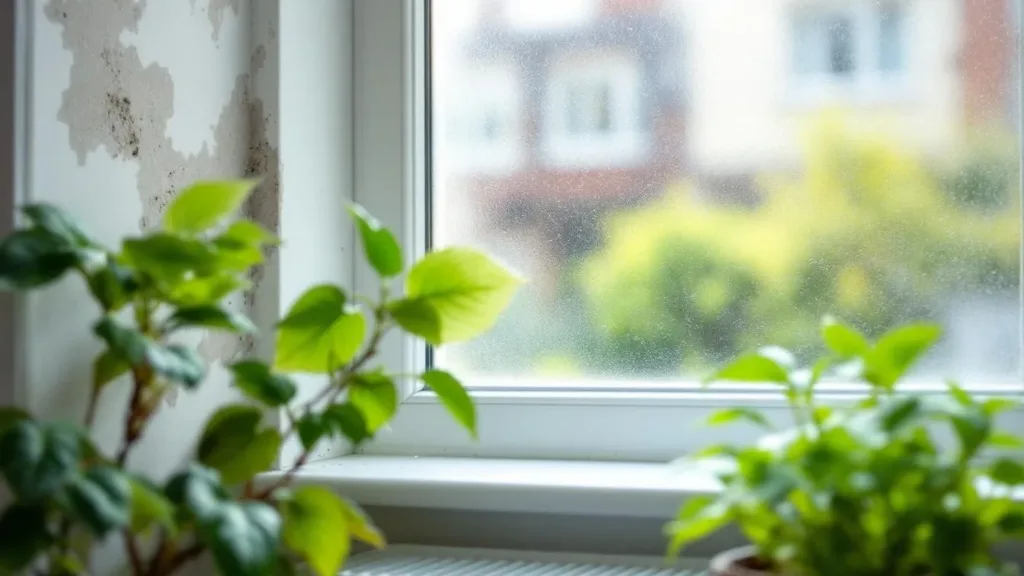
As the chill of winter recedes, many British homes inevitably confront an unusual yet pervasive presence: the damp smell that seems to linger stubbornly in corners and crevices. This phenomenon, often dismissed as merely an unpleasant odour, can signal deeper issues within the fabric of the home. The unique British climate, characterised by high humidity and fluctuating temperatures, plays a significant role in this seasonal scent. Understanding the intricacies behind this scent not only enriches the knowledge of homeowners but also provides a pathway to potential solutions.
The Science Behind Damp Smells in Homes
The presence of a damp smell is linked closely to the behaviour of moisture in the home. It can originate from various sources, including rising damp, condensation, and stagnant water trapped within the structure. The damp smell often arises from microbial volatile organic compounds (MVOCs) released by mould and mildew that thrive in moist conditions. As these microorganisms break down organic materials such as wood and fabric, they produce gases that are detectable by the human nose. When humidity levels rise—common during spring—so too does the risk of these unpleasant odours developing.
In particular, rising damp poses a serious threat to many older buildings, especially those constructed before the implementation of modern damp-proof courses. Rising damp occurs when groundwater moves up through walls, creating a musty, earthy odour that often permeates the home. Homeowners might often notice this type of smell emanating from ground-floor walls, where moisture accumulates more readily. In contrast, condensation-driven issues usually occur higher up, where warm air meets colder surfaces, such as windows or external walls. This form of damp creates a more sweet, stale smell, significantly affecting air quality in living spaces.
Each of these moisture sources contributes to a distinctive scent. Recognising the differences is essential for understanding the problem at hand. For example, while rising damp might be more prevalent after heavy rainfall, condensation can become noticeable in the mornings when moisture has accumulated overnight. Thus, the distinct smells correlate closely with the varying seasons and weather patterns faced across the UK, making springs particularly problematic due to increased humidity and fluctuating temperatures.
Common Causes of Damp Smells in British Homes
Identifying the root causes of damp smells requires a keen eye and some common sense. Start by examining areas of the home most likely to experience dampness: kitchens, bathrooms, and basements. The synergy of cold weather, poor ventilation, and elevated humidity can create ideal conditions for mould growth, leading to not just unpleasant smells but also potential health hazards.
Several common causes of damp smells can be identified:
- Failed Damp-Proof Courses: Old or absent damp-proof courses allow moisture to infiltrate masonry, mainly affecting ground-floor areas. Signs often include tide marks along skirting boards.
- Condensation from Poor Ventilation: Modern homes, with their focus on insulation and energy efficiency, can sometimes trap humid air, leading to condensation. This is especially prevalent in newly built homes, where the emphasis on airtightness may inadvertently exacerbate moisture problems.
- Leaking Plumbing: Often hidden from view, leaks from pipes or appliances can persist unaddressed, creating perfect breeding grounds for mould and bacteria, which contribute to that telltale damp smell.
- Roof and Guttering Issues: Leaks from compromised roofs or blocked gutters can lead to water ingress, particularly during the spring thaw. Homeowners might notice musty scents in upper rooms or attics where dampness has set in.
- Previous Water Damage: Any past flooding or severe leaks that haven’t been adequately dried can leave lasting moisture within materials such as walls and floors. Consequently, the lingering damp smell can become a constant reminder of unresolved issues.
Understanding these causes allows homeowners to proactively address moisture problems, ensuring a healthier living environment. Moreover, establishing whether the source is a singular problem or a combination of several factors is crucial for devising an effective response.
Identifying and Tackling Damp Smells Effectively
To effectively tackle damp smells, its source must first be pinpointed. A thorough inspection of affected areas is vital. Open windows to improve air circulation and reduce humidity, which can help identify where the smell is strongest. Often, it becomes more noticeable near moisture sources, so paying attention to areas prone to dampness is essential.
Homeowners may notice visual indicators alongside that characteristic odour. Signs such as water stains, peeling wallpaper, or bubbling paint often indicate underlying moisture issues. A flashlight can come in handy for exploring darker corners or less visible areas, such as behind furniture or beneath sinks, where moisture might be lurking undetected.
If DIY measures do not yield results, seeking professional assistance can provide a clearer understanding of the problem. Professional damp surveys utilise tools like thermal imaging and moisture meters to give comprehensive and accurate assessments. Such analysis can identify hidden sources of dampness beyond mere smells. In cases where damp has damaged materials, replacing those materials is essential, as they can harbour mould spores.
Long-Term Solutions to Prevent Damp Smells
While addressing existing damp smells is crucial, long-term prevention can help mitigate future issues. Enhancing ventilation is one of the most effective methods to reduce humidity levels indoors. Installing extractor fans in kitchens and bathrooms can facilitate a continuous flow of fresh air, while regularly opening windows encourages moisture escape.
Homeowners may also want to consider investing in dehumidifiers, particularly in areas known for high humidity or dampness. These devices effectively capture excess moisture, making a tangible difference in air quality and the overall comfort of a home. Moreover, homeowners should assess their insulation and consider adjusting it to ensure it doesn’t restrict airflow.
Regular maintenance is also necessary. Keep gutters clear and roofs well-maintained to prevent water ingress. Ensure that any past water damage is thoroughly addressed during repairs, and opt for anti-mould paints for areas prone to moisture. The importance of ongoing vigilance and attention cannot be overstated: dampness is often a complex problem that requires both immediate and ongoing efforts.
Creating an environment where damp mould cannot thrive is achievable, and when combined with efforts to enhance air quality, the results can be transformative.
The Emotional Impact of Damp Smells
Damp smells are not merely a nuisance; they bear emotional weight for homeowners and families. Consistent exposure to poor air quality, mould spores, and pervasive dampness can lead to health concerns such as respiratory issues and fatigue. Furthermore, the stigma associated with damp homes may leave families feeling isolated or embarrassed. The emotional landscape of living in a damp environment can put strain on relationships, particularly when seeking to maintain a welcoming and healthy home.
Understanding these feelings highlights the importance of addressing the problem. Should family members frequently experience hay fever-like symptoms, there could be a direct correlation to the presence of mould spores. Thus, living in a home plagued with damp smells can detract from well-being. The simple act of eradicating these odours can also restore peace of mind and improve a household’s overall emotional climate.
In sharing these experiences and solutions, a sense of community can be fostered among homeowners. The journey to banishing damp and improving air quality is a collective one, where learning and sharing knowledge serves to uplift and inspire. The beauty of a home lies in its comfort, safety, and warmth, and by intelligently addressing dampness, families can rediscover the joy of a refreshing spring.