There’s a hidden world of culinary pitfalls lurking in the kitchen, often disguised as time-saving techniques. Many home cooks chase the dream of effortless meals, conjuring rich, velvety sauces reminiscent of those served in fine dining. The aroma wafts through the air as vegetables sauté and spices mingle, promising a delightful dining experience. Yet, in the midst of this culinary dance, a subtle mistake commonly emerges, one that can quietly unravel the intended flavour and texture of these creations. This misstep lies not in flamboyant gestures or glaring failures but rather within the quiet realm of unassuming decisions that can drastically affect the outcome of sauces, turning moments of joy into culinary disappointment.
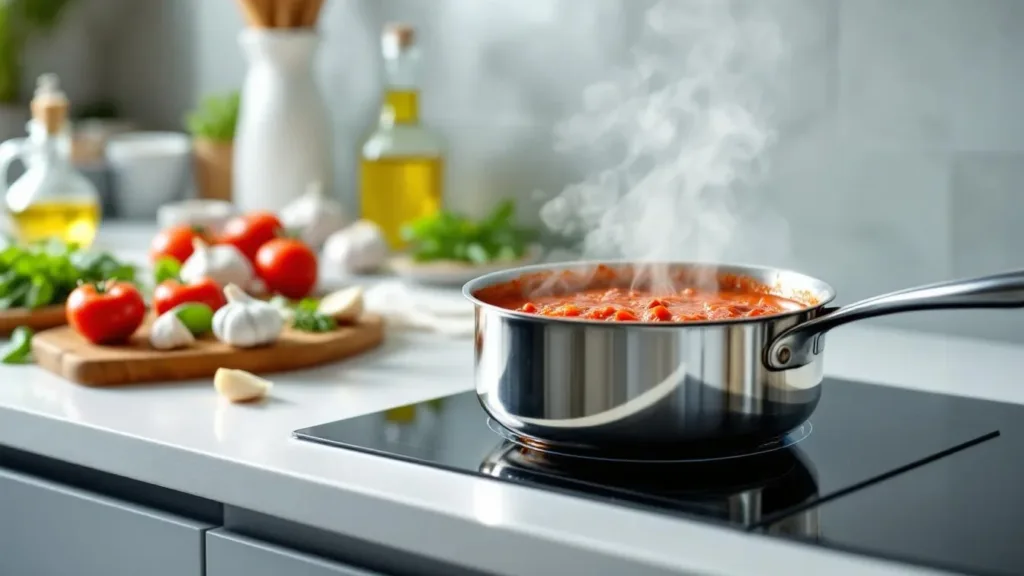
Picture a typical evening, perhaps a bustling Tuesday night in London. The pasta is bubbling away, and a pan brimming with a lovingly crafted tomato sauce awaits to be served. The ingredients have been meticulously chosen—plump tomatoes from Borough Market, fragrant basil, and a hint of garlic, all simmering together. However, in search of expedience, a common cooking shortcut rears its head: a dash of flour is thrown directly into the bubbling pot. It seems harmless, perhaps even pragmatic, but this seemingly innocuous act can spell disaster for the sauce’s integrity. Suddenly, the silky concoction transforms into a clumpy, lacklustre mixture devoid of the promised luxuriousness. This is the cruel irony of certain culinary shortcuts; they damage the carefully crafted balance of taste and texture without ever making a scene.
The Art and Science of Sauce Making
Mastering sauces is akin to learning an intricate dance; it requires rhythm, patience, and an understanding of the ingredients involved. The basis of a fantastic sauce lies not only in quality ingredients but also in the techniques employed to bring them together. Cooking is an alchemical process, where disparate elements fuse to create something wondrous. Flourishing sauces take time to develop, allowing flavours to meld in a harmonious manner. Yet many home cooks may rush this subtle craft, opting for convenient methods that compromise the final product.
Understanding the Common Mistake
At the heart of many sauce disasters lies a simple yet critical error: adding flour or cornstarch directly into hot liquid. While this approach may bear a resemblance to quick and efficient cooking, it often leads to undesirable results. When dry starches are introduced to high heat without prior preparation, they can clump together, failing to disperse evenly. The immediate consequence is a grainy texture—an outcome that even the most well-versed chefs seek to avoid.
This phenomenon occurs because when exposed to heat, starch molecules begin to swell and gelatinize. However, when not fully hydrated beforehand, only the outer layers of clumps experience this reaction. The result is an unsightly amalgamation in which some portions of the starch remain undercooked, imparting a raw flavour that disrupts the sauce’s overall harmony. Thus, the art of sauce-making merits more than a cursory glance at efficiency; it deserves the attention to detail that transforms a simple meal into an extraordinary experience.
Professional Techniques: Slurry and Roux
To elevate the cooking experience and ensure favourable outcomes, professional chefs adhere to methods that prioritize the quality of their sauces. Two popular techniques involve the use of a slurry or a roux—each serving its purpose depending on the dish at hand. A slurry is prepared by mixing starch—be it flour or cornstarch—with a cool liquid to form a smooth paste. This method not only eliminates clumping but also allows for a gradual thickening process once introduced to gently simmering sauce.
Conversely, a roux—a mixture of flour cooked with fat, typically butter—provides both body and a depth of flavour that can significantly enhance various sauces. When crafted properly, a roux offers a nutty aroma and a luxurious consistency that contributes to a restaurant-quality experience in the comfort of one’s dining room. Thus, understanding and mastering these techniques can elevate an everyday meal into a culinary masterpiece, transforming each bite into an occasion worth savoring.
The Hidden Costs of Shortcuts
The hidden costs of cooking shortcuts extend beyond mere texture. In the intricate world of flavours, subtlety reigns supreme. A sauce should tell a story with each spoonful, delivering layers of taste that engage the palate. When shortcuts disrupt this delicate balance, the overall dining experience suffers. Consider the flavour impact of poorly executed thickening methods: raw flour not only introduces an unpleasant taste but also detracts from the vibrancy of other carefully chosen ingredients.
Rescuing a Ruined Sauce
In the event that a cooking shortcut leads to clumpy or thin sauce, hope is not lost. There are ways to salvage a well-intentioned culinary effort. Straining the mixture through a fine mesh sieve can eliminate unwanted lumps, returning a semblance of smoothness. Afterwards, it may be necessary to create a new slurry to restore the desired thickness. Blending the sauce can also smooth out inconsistencies, though this method may alter the final texture, particularly in sauces containing crushed vegetables.
Professional kitchens pamper sauces with meticulous care, employing mise en place—having every ingredient prepared in advance. This practice not only streamlines the cooking process but also prevents those unfortunate, sporadic decisions that lead to culinary errors. In a world that often prioritizes speed, it is vital to remember that the best sauces often come from patience and practice. Culinary instructors routinely remind their students that a rushed sauce often yields a broken one, urging them to take the time to appreciate the nuanced balance between technique and flavour.
The Journey Towards Culinary Excellence
Exploring techniques to improve sauce consistency can be a journey filled with unexpected discoveries. By embracing the lessons gained from mishaps, home cooks can gradually refine their craft and develop their unique culinary voice. Every attempt brings the opportunity to learn and grow, unveiling the secrets of the kitchen that transform basic ingredients into spectacular experiences.
A Commitment to Quality
As culinary methods evolve, the importance of a thoughtful approach remains undiminished. By understanding the hidden mistakes of rushed cooking shortcuts, individuals can move towards a deeper appreciation of the art of sauce-making. Choosing to invest time in crafting all elements of a dish can result in a delightful meal that lingers in the memory long after the last bite, imbuing a sense of warmth and satisfaction. Such memories are woven into the fabric of family meals, celebratory gatherings, or a quiet evening spent in culinary solitude.
The heart of good cooking lies not merely in the end result but in the joy of the process—a dance of flavours, textures, and aromas that leave an indelible mark on both the plate and the soul.