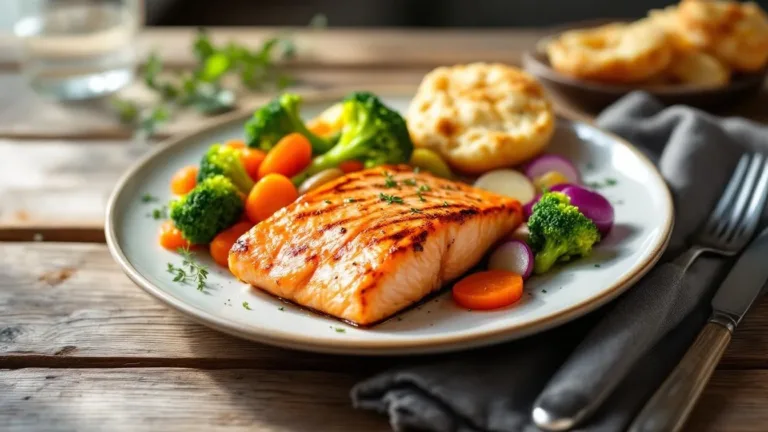
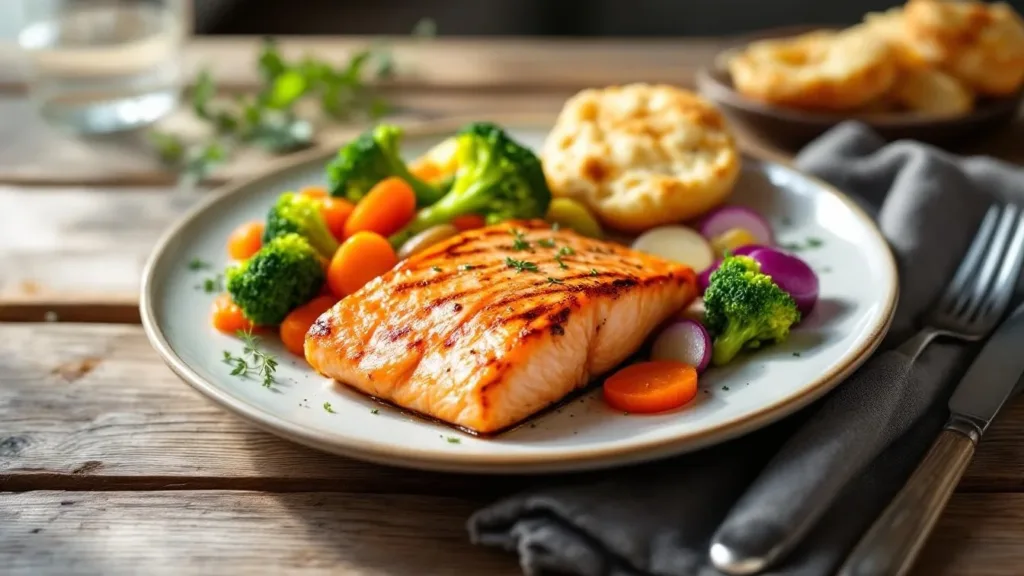
In the rugged yet charming landscapes of Scotland, culinary traditions run deep, often reflecting the rich heritage and natural bounty of the land. Within this cultural tapestry lies the delightful juxtaposition of indulgence and health, embodied in traditional Scottish dinners that are surprisingly nutritious. Far from the common misconception that Scottish cuisine revolves solely around hearty, calorie-laden dishes, a closer examination reveals a variety of options that promote healthy eating and well-being, without sacrificing the comforting, robust flavours one expects from a meal steeped in history.
Scottish cuisine is intrinsically linked to its geography, with a diverse array of ingredients sourced from both land and sea. The coastlines offer a bounty of seafood, while the fertile plains pride themselves on grains and vegetables. This wealth of local produce allows for balanced diets, featuring dishes that cater to both flavour and health. Meals such as hearty vegetable stews, fish dishes rich in omega-3 fatty acids, and wholesome grain-based sides are just a handful of options those enjoying a Scottish dinner can embrace. It’s time to discover how these traditional foods not only satisfy the palate but also provide a wholesome experience.
The Essence of a Traditional Scottish Dinner
At the heart of any authentic Scottish dinner is a celebration of local ingredients, each imbued with stories of the land. A classic menu might include haggis, a dish that often sparks debate among food enthusiasts. While it may initially seem daunting, haggis is, in fact, a nutritional marvel made from sheep’s offal mixed with oats, spices, and suet, all contained within a sheep’s stomach. Far from being a mere curiosity, it is a nutrient-dense food that provides essential vitamins and minerals.
Complementing the haggis is often a side of neeps and tatties—Swede and potatoes mashed together to create a creamy, comforting dish. These root vegetables not only add colour but also serve as an excellent source of dietary fibre, aiding in digestion. For those keen on exploring modern versions, variations of haggis have emerged, including vegetarian options that maintain the original dish’s heartfelt warmth while offering healthier alternatives suitable for those mindful of their dietary choices.
The Role of Seafood in Scottish Culture
Given Scotland’s extensive coastline, it’s impossible to discuss a traditional dinner without mentioning the prominence of seafood. Dishes such as Cullen skink, a creamy soup made with haddock, potatoes, and onions, showcase the comfort of Scottish food while remaining relatively low in calories compared to their hearty meat counterparts. The utilization of fish captures not just the flavour of the sea but embodies a health-forward approach found in many Scottish meals.
Beyond Cullen skink, dishes like grilled mackerel delight with their rich omega-3 content, promoting heart health while tantalising the taste buds. Fish is also a quick-cooking, versatile ingredient that can be paired with seasonal vegetables, creating meals that are both nourishing and scrumptious. Exploring various ways to prepare and enjoy fish can yield surprising culinary experiences that bring traditional cuisine into healthy eating without compromising on character or taste.
A Glimpse into Hearty, Nutritious Side Dishes
When it comes to traditional Scottish dinners, sides play a pivotal role in setting the stage for balance and flavour. Not to be overlooked, these accompaniments can elevate a meal from mundane to memorable. Take stovies, for instance—a humble dish typically made from potatoes, leftover meat, and a medley of vegetables, slow-cooked to achieve comforting textures. Stovies epitomise wholesome food, allowing for creativity in terms of what ingredients are available.
The beauty of stovies lies in their adaptability. Variations can accommodate those aiming for a more plant-based experience, using seasonal vegetables mixed with lentils to reap the benefits of plant protein. The dish, rich in fibre and vitamins, showcases how traditional food can easily align with contemporary desires for nutritious meals.
Embracing Traditional Grains
Cereals and grains have held a significant place in Scottish diets for centuries, with oatmeal being an iconic staple. Often served as a porridge for breakfast, oatmeal not only provides essential energy to start the day but is also highly versatile. Beyond breakfast, it finds itself incorporated into traditional baked goods and as a thickening agent in soups and stews.
Moreover, barley has enjoyed a resurgence, with its robust flavour and health benefits making it a favourite in modern kitchens. From barley risottos to salads featuring roasted barley and vegetables, the potential for healthy dinner options is quite expansive. Embracing these grains not only ties individuals back to the Scottish heritage but advances a sense of healthfulness and nourishment, perfect for the ever-growing focus on a balanced diet.
Contemporary Twists on Rustic Scottish Flavours
The fusion of traditional Scottish dinner recipes with modern culinary techniques encourages a new wave of gastronomic exploration. Chefs and home cooks alike are now reimagining dishes to showcase the rich history of Scotland while embracing the health movement. For instance, the re-envisioning of the classic shepherd’s pie—traditionally made with minced lamb and topped with mashed potatoes—has evolved to include sweet potatoes for added nutrients and flavour dimensions.
Additionally, vegan adaptations of iconic dishes are emerging, incorporating ingredients like lentils, chickpeas, and various spices to evoke the comforting essence of traditional meals. These innovations showcase how the heartiness and warmth inherent in Scottish cuisine can be preserved while aligning with contemporary dietary preferences.
Nostalgic and Wholesome Desserts
No conversation about Scottish cuisine would be complete without a nod to sweet traditions. Scottish desserts often reflect the country’s rural simplicity, with recipes passed down through generations. Cranachan, a traditional dessert made with raspberries, whipped cream, oats, and whisky, exemplifies how beloved ingredients can create a captivating dish that is not merely decadent but filled with the freshness of summer fruits.
As healthier lifestyles gain traction, adaptations of cranachan using Greek yogurt or dairy alternatives are appearing, making this indulgence an even more versatile choice. Such adaptations illustrate the heartwarming connection of tradition while fostering innovative, healthier avenues for enjoying Scotland’s rich culinary heritage.
Exploring Scottish Recipes for Healthy Living
Delving into the heart of Scottish recipes invites everyone to explore the rich flavours that can complement a healthy lifestyle. To truly embrace the essence of a nutritious Scottish dinner, it’s essential to explore the traditional foods that can easily find their way onto modern dinner tables. This journey not only celebrates heritage but provides an avenue for healthy eating without the sacrifices often feared in traditional culinary experiences.
As culinary enthusiasts look towards the future, the importance of traditional foods paired with modern ideals cannot be overstated. Adopting dishes like vegetable stews, wholesome grain options, and creatively reinterpreted classics ensures that Scottish cuisine remains vital and relevant, all while guiding people toward healthier meals that nourish both body and soul.
The exploration of nutritious meals within the framework of traditional Scottish food reveals not just a desire to maintain cultural roots but illustrates a commitment to holistically embracing health and well-being. Just as the rolling hills of the Highlands nurture the vibrant ingredients that come to embody Scottish dinners, so too does a focus on healthy, traditional meals support individuals in their journey toward better living.