In recent years, a notable trend has emerged across the UK: parents are increasingly choosing to leave big cities in favour of quieter, more spacious locales. This urban exodus isn’t merely a fleeting fad; it reflects profound shifts in lifestyle aspirations and economic realities. Families, eager for a better quality of life, are exploring the charms of countryside living, motivated by factors that extend beyond just simple dissatisfaction with city life. From seeking a child-friendly environment to grappling with the high cost of living and considering the quality of education their children will receive, the reasons behind this migration are as varied as the families making the moves.
The Allure of Countryside Living
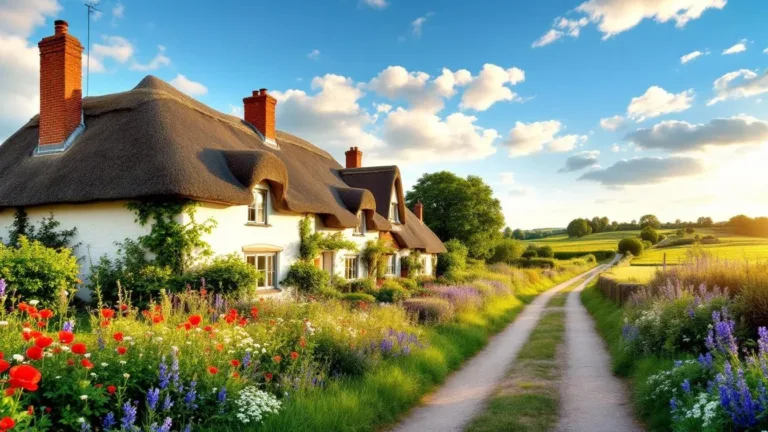
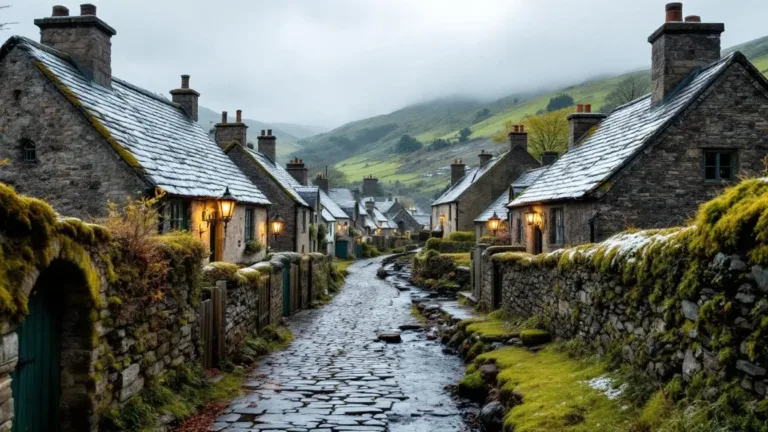
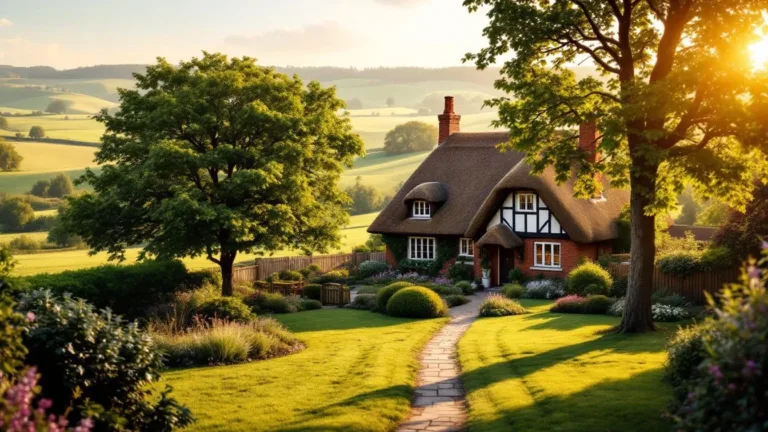
The quintessential image of picturesque villages and rolling green hills often casts a charming spell, but the allure of countryside living in the UK involves more than just aesthetic appeal. Many parents are drawn to the promise of a peaceful, family-focused environment away from the hustle and bustle of urban centres. For instance, areas such as the Scottish Highlands and Cotswolds have become increasingly popular, not just for their stunning landscapes but also for their community spirit and slower pace of life.
A Focus on Quality of Life
One of the most compelling reasons for this great shift is the pursuit of a better quality of life. Data from the Health and Wellbeing Report in 2024 indicates that children born in rural areas are expected to live longer than those in cities. Moreover, the sense of community found in villages contributes significantly to overall wellbeing. Parents often find that child-friendly spaces, such as parks and local schools, enhance their family life, allowing for more outdoor activities. In urban areas, congested streets and high crime rates can hinder children’s play and exploration.
In stark contrast, rural settings often offer safer environments for families, with lower crime rates compared to big cities. Communities in these regions often foster deeper connections between families and neighbours, which can be instrumental in nurturing a supportive atmosphere for children. These dynamics serve to create a nurturing ecosystem where growth and education thrive, making such relocations incredibly appealing for parents striving for the best start for their children.
Housing Affordability as a Driving Factor
The financial burden of urban life cannot be understated. Many families are finding it increasingly difficult to manage the exorbitant housing prices in cities like London, where the average house price can reach astronomical figures. Recent statistics indicate that approximately 860,000 individuals left London in 2023, citing high rent and mortgage costs as primary reasons for their departure. This urban exodus highlights the struggles many UK parents face as they balance aspirations for homeownership with the realities of the current economic climate.
On the other hand, while property prices in rural areas are rising, they generally remain more manageable compared to major urban centres. Families can acquire larger homes with gardens and more space to breathe, thus fulfilling their desires for room to grow, both physically and emotionally. The combination of affordability, space, and a picturesque setting makes rural living a highly appealing choice for families looking to establish their roots.
The Flexibility of Remote Work
Part of the urban exodus can be attributed to the increasingly commonplace remote work arrangements that emerged during the COVID-19 pandemic. In 2021, roughly 32% of rural workers were engaged in remote work, compared to merely 28% in urban settings. This shift towards flexible working has allowed many parents to reassess their living conditions. They no longer need to live near their offices, creating an opportunity for families to escape into the calming embrace of nature.
As more companies embrace hybrid work models, parents find themselves unchained from the historic necessity of residing in the city, enabling a search for residences that offer a better balance between work and family life. Working from home while enjoying stunning views of the countryside has replaced the monotony of city living for many individuals. This focus on work-life balance allows for enriched family interactions and heightened wellbeing for both parents and children.
Challenges of Moving to the Countryside
Moreover, healthcare access can vary significantly in rural regions. While few GPs might be available, making appointments can become a nightmarish affair, leading to extended wait times. The lower number of NHS dentists per capita further complicates healthcare accessibility, turning routine check-ups into challenging experiences for families. Another consideration is the connectivity in rural areas. While broadband speeds have seen improvements, many regions still lag in providing reliable internet access, which can stymie work-from-home arrangements and online learning opportunities for children. These issues underscore the importance of thoroughly evaluating prospective new homes in terms of key services. Making the choice to leave behind the familiarity of a big city is no small feat. For many families, it involves not only practical considerations but also deep emotional processing. Leaving behind friends, favourite spots, and cherished routines can be a daunting prospect. Yet, the promise of new adventures and family-centric living encourages families to forge ahead into the unknown. As families dive deeper into the heart of rural life, they often discover a sense of belonging that profoundly enriches their lives. Children adapt quickly, forging friendships that transcend the barriers of technology and urban environments. Many report a newfound appreciation for nature and a return to simpler pleasures, which can foster a wholesome upbringing. In this delicate dance between nostalgia and hope, families learn to embrace the evolving contours of their lives, creating memories that will last a lifetime. The countryside, with its bounty of opportunities for exploration and discovery, becomes more than just a new home; it transforms into a canvas for growth and joy.The Emotional Journey of Relocation