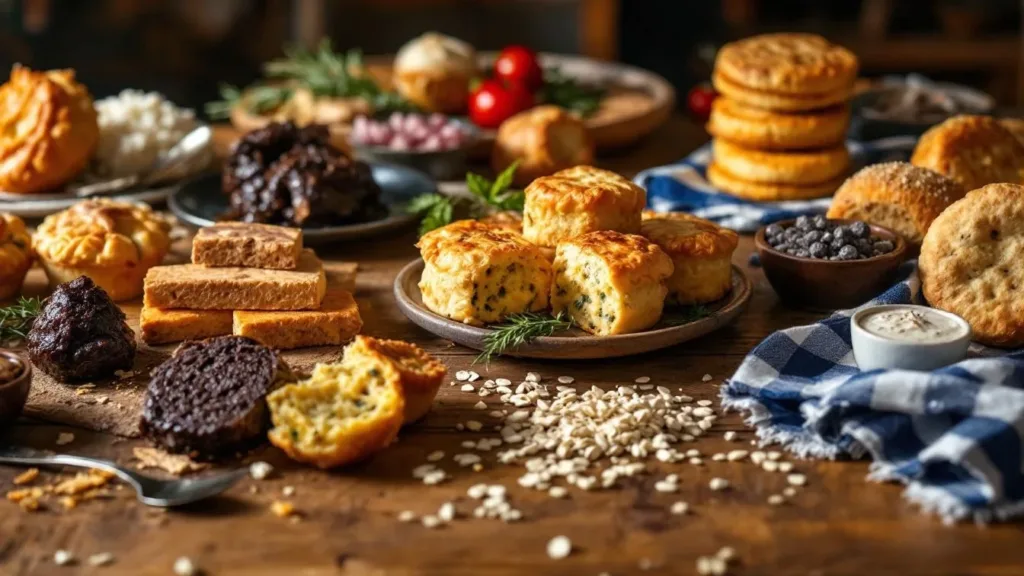
A culinary journey through Scotland reveals a treasure trove of flavours deeply rooted in local traditions. While tourists often seek out well-known dishes like haggis or deep-fried Mars bars, there exists an array of Scottish foods that remain well-loved yet largely uncharted by visitors. This experience is comparable to stumbling upon a hidden gem in the wild Highlands, where local cuisine sings the praises of Scotland’s rich agricultural heritage and vibrant coastal waters. Join in the ritual of enjoying the meals that Scottish families hold dear, often savoured on a weekly basis, and discover the essence of Scottish culture in every bite.
Haggis: The Heart of Scottish Cuisine
Haggis stands tall as Scotland’s culinary emblem, intertwining flavours and history in a most intriguing manner. This savoury pudding, traditionally made from sheep’s offal, oatmeal, onions, and spices, represents far more than a simple meal; it embodies a core element of the Scottish identity. As locals prepare this dish, it is often accompanied by neeps and tatties—turnips and mashed potatoes—which contribute to its hearty presentation. The humble nature of its ingredients hides the complexity within. Haggis is known for its rich, peppery taste, incomparable to any other dish, making it a must-try for anyone willing to explore the intriguing facets of traditional dishes.
Although its origin may date back centuries, the preparation of haggis today showcases a delightful variety of ways in which it can be enjoyed. Across Scotland, cooks infuse personal touches, using various seasonings or even alternative meats, such as venison, to create their unique recipes. This local diversity nurtures the beauty of Scottish food heritage. For instance, the haggis served in a pub beside Loch Ness may differ significantly from that found in a chic Edinburgh eatery. In both environments, the culinary craftsmanship of haggis captivates the palette, allowing you to experience a true taste of Scotland.
The Ritual of Burns Night
One cannot discuss haggis without mentioning its honourable place during Burns Night festivities, where Scots pay tribute to the poet Robert Burns. Celebrated annually on January 25th, this evening is an ode to haggis as it takes centre stage during a ceremonial “Address to the Haggis.” As the guests gather around the table, the chef affectionately presents the dish, reciting Burns’ verses, and stirring a sense of pride and camaraderie among everyone present. Such a cultural ritual illustrates how haggis transcends the realm of mere sustenance, anchoring itself firmly in the heart of Scottish life.
Cullen Skink: A Taste of the Coast
Originating from the picturesque fishing village of Cullen in Moray, Cullen Skink captivates not only by its flavours but also by the story it tells. This creamy and hearty soup consists of smoked haddock, potatoes, and onions, all blending gloriously to create a comforting dish that wraps you in warmth like a Scotsman’s embrace on a chilly evening. Its rich, smoky undertones are a testament to Scotland’s coastal bounty, showcasing just how connected the people are to the sea and its gifts.
What sets Cullen Skink apart is the method of preparation. As you venture into local establishments—from high-end restaurants to the unassuming cafés on the coast—you’ll find that each chef has their own secret to making this dish. Some may introduce a hint of cream or a splash of a local ale to enhance depth. The beauty of the soup lies in this personal interpretation, reflecting not only culinary skill but also an understanding of the land and its lore.
Enjoying Cullen Skink Today
This dish is more than just a meal; it is a sensation, best relished in a welcoming local pub with the sound of waves crashing nearby. Whether it’s shared with strangers or enjoyed in solitude, a bowl of Cullen Skink momentarily transports you into the coastal heart of Scotland. It encapsulates the spirit of the Highlands, drawing you into a sensory experience as vibrant as the North Sea itself.
Scottish Salmon: The Finest of the Waters
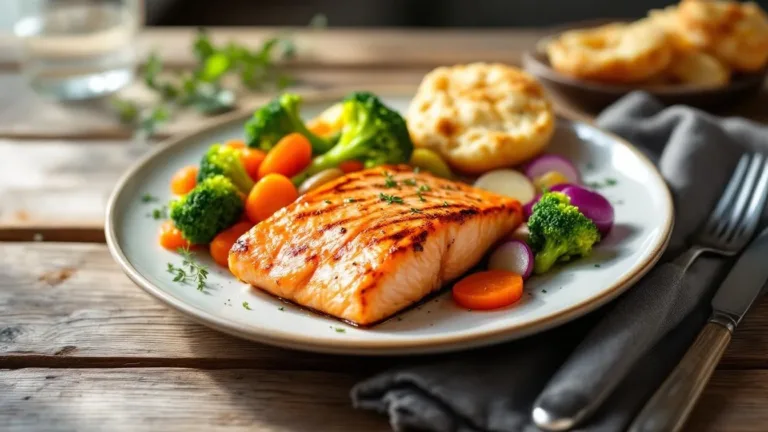
Scottish salmon is renowned across the globe, heralded for its rich flavour and impeccable quality. Raised in the cold, pristine waters surrounding Scotland, this fish possesses a tenderness and taste that captivates culinary explorers. While tourists may bask in the allure of fresh seafood, it’s the locals who cherish the ritual of incorporating Scottish salmon into their weekly meals.
Whether grilled, smoked, or poached, salmon finds its way onto dinner tables throughout Scotland in various delightful forms. One common preparation includes a simple drizzle of lemon and a sprinkle of seasoning, allowing the fish’s natural richness to shine. Alternatively, a serving of fresh salmon is often accompanied by a side of seasonal vegetables, truly embodying the essence of a balanced meal.
The Salmon Experience
Dining on Scottish salmon can also be an experience of its own. Visiting local seafood markets, where fishermen proudly share their catch of the day, presents opportunities to connect with the culture surrounding this delicacy. Here, locals play their part in the sustainable practices that underpin responsible fishing. As you enjoy Scottish salmon, you’re not just savouring the flavours but also participating in a tradition of respect towards the ocean—a tribute to generations who have come before.
Cranachan: The Sweet Side of Scotland
No exploration of Scottish cuisine would be complete without a mention of cranachan. This traditional dessert, steeped in history, marries together vibrant Scottish raspberries, smooth whipped cream, crunchy toasted oats, and a splash of Scotch whisky. The resultant treat is an exquisite expression of Scottish culture and seasonal produce, and it is often served during special occasions or festivals.
The harmonious interplay of textures and flavours creates an experience that delights the senses. The aroma of freshly whipped cream mingles with the tanginess of the raspberries, while the oats add an unmistakable crunch that complements the velvety smoothness. This balance transforms cranachan into more than just a dessert; it becomes an encounter with nature’s bounty in a glass.
Cranachan as a Celebration
During summer months, local festivals often see cranachan made with fresh berries, reflecting the best of Scottish produce. The dessert encourages a connection to the land, where ingredients are sourced with care and respect for the seasonal rhythms of nature. As locals gather to enjoy cranachan, laughter and joy fill the air—an echo of the true spirit of Scottish hospitality, where every bite embodies a celebration of life and food.
Fish and Chips: A Scottish Favourite
While internationally admired, the experience of enjoying fish and chips in Scotland carries a unique flavour that locals relish. The dish might seem commonplace to visitors, but when prepared with fresh Scottish haddock, it transforms into a bespoke culinary experience that tells a story of place. The golden batter, crisp on the outside yet moist inside, perfectly complements the tender fish and fluffy chips, creating a delightful marriage of textures.
Visiting a local pub or seaside takeaway, particularly in locations like St. Andrews or Glasgow, gives insight into the significance of fish and chips within Scottish cuisine. Here, the simple act of enjoying this dish fosters a communal spirit; everyone gathers together to share a meal, connecting over their love for food and good company.
Seasonality and Sourcing
The distinction of Scottish fish and chips lies not just in its preparation but also in the sourcing of fresh, local ingredients. The chefs make conscious choices about the fish they use, ensuring sustainability and enhancing the flavours significantly. As a result, every serving becomes a tribute to the rich maritime heritage of Scotland, where every bite tastes of salt and sea—the essence of the coast.
Scottish Tablet: A Sweet Indulgence
Transitioning from savoury delights to confections, one cannot overlook the creamy Scottish tablet. This indulgent treat boasts a melt-in-the-mouth quality that leaves fans clamouring for more. Its base ingredients of butter, sugar, and condensed milk come together in a sugary symphony, creating a dessert that evokes nostalgia in generations of Scots.
Scottish tablet may appear deceptively simple, yet its preparation showcases a delicate balance of timing and skill, ensuring the perfect creamy consistency. Often enjoyed with a cup of tea, it interacts harmoniously with the strong flavours, marrying the sweetness with a comforting beverage for a delightful afternoon pause.
Community and Culture Surrounding Tablet
The tradition of making Scottish tablet often brings families together, passing down cherished recipes and bonding over the cauldron bubbling on the stove. It encapsulates the warmth of homemade sweets shared during family gatherings, reinforcing connections within the community. Each bite of tablet serves as a reminder of Scotland’s rich food heritage, enveloping the heart and soul of its people in a single confection.
Scotch Pie: The Portable Feast
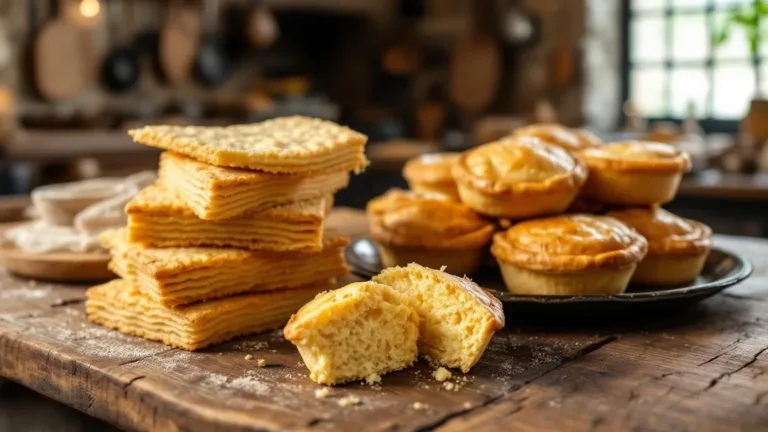
As one of Scotland’s quintessential snacks, the Scotch pie encapsulates the convenience and comfort of traditional Scottish food culture. This pastry, typically filled with minced meat, offers a satisfying experience whether enjoyed on the go or perched on a plate. Its flaky crust is often crowned with a golden sheen, while the juicy filling remains an irresistible lure for anyone encountering it.
Walk the streets of Edinburgh or Glasgow, and the aroma of fresh Scotch pies wafts through the air, enticing passersby and inviting them to indulge in this culinary treat. It’s not simply a pie; it carries the essence of Scottish culinary culture, breathing life into the bustling city scenes while serving as the perfect companion for an active lifestyle.
A Pillar of Local Fare
When ordering a Scotch pie, one might be surprised by the variations available. From spicy minced meat to inventive vegetable options, each brings a personal touch that represents the choice of the individual vendor. This diversity reinforces the cultural tapestry of Scotland, illustrating how food evolves while maintaining treasured traditions. As the locals bite into their Scotch pies, they savour not just the recipe before them but a tangible connection to their identity and history.
As the sun sets over the distant hills, and the aroma of these delicacies wafts through the air, it becomes clear that each mouthful of Scottish food tells a story—a narrative that is waiting to be discovered and cherished. Among the vibrant hues of this culinary landscape lies the soul of Scotland, rich in culture, passion, and tradition.