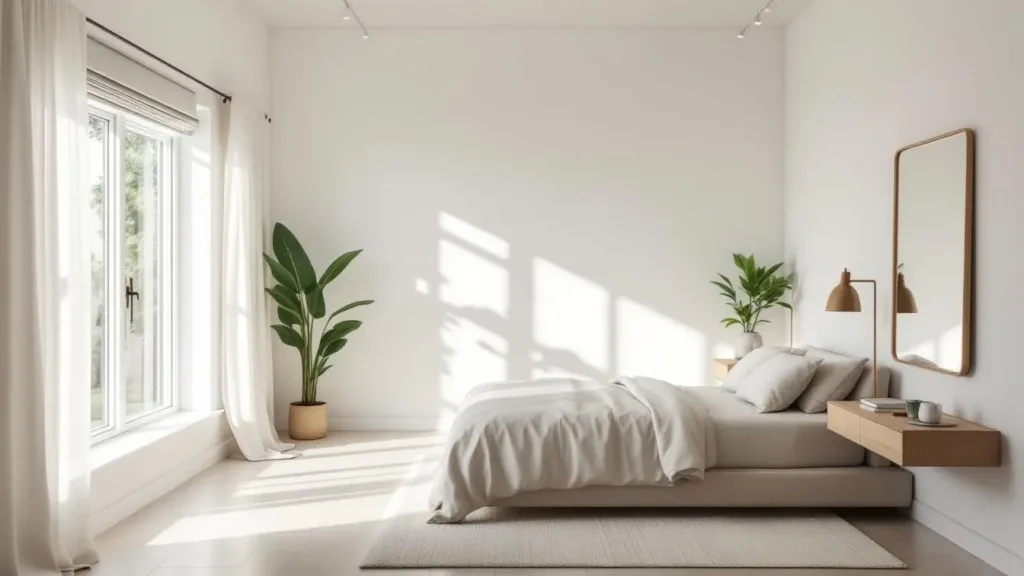
In the heart of every home lies the bedroom, a personal sanctuary that reflects individual spirit and comfort. Yet, many find themselves grappling with the challenges of a limited space, where cramped quarters can often lead to a lingering feeling of claustrophobia. The beauty of small bedroom spaces, however, lies in the potential for transformation. With thoughtful design choices and subtle shifts in decor, one can breathe new life into these compact havens, creating an atmosphere that feels open, airy, and inviting. From strategic usage of light to clever furnishings, the possibilities for space optimization are abundant. It’s interesting how the right adjustments can redefine a bedroom—turning it from a cozy nook into an expansive retreat that feels much larger than its physical dimensions.
The Power of Light in Small Bedrooms
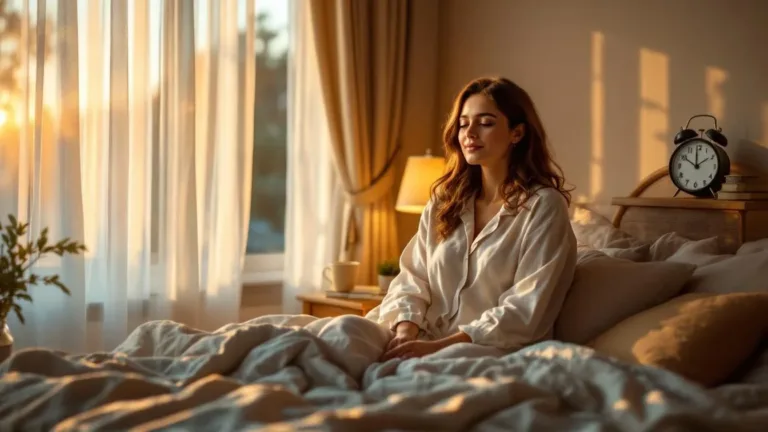
One of the most transformative elements in any room is light. Natural light, in particular, has a remarkable ability to create an illusion of depth and space. In a small bedroom, maximizing this natural resource can mean the difference between feeling confined and feeling liberated. Large windows that allow sunlight to flood the room not only brighten the atmosphere but can also visually elevate the ceiling, making walls appear to recede.
When enhancing natural light, consider unobtrusive window treatments. Light-filtering shades or simple sheer curtains can invite sunlight in without weighing down the space. It’s prudent to choose fabrics that complement the wall colour, as this continuity helps to create a seamless flow that adds to the sense of openness. By opting for lighter tones on walls and furnishings, the light will bounce around the room, amplifying brightness and enhancing that sought-after spacious feeling.
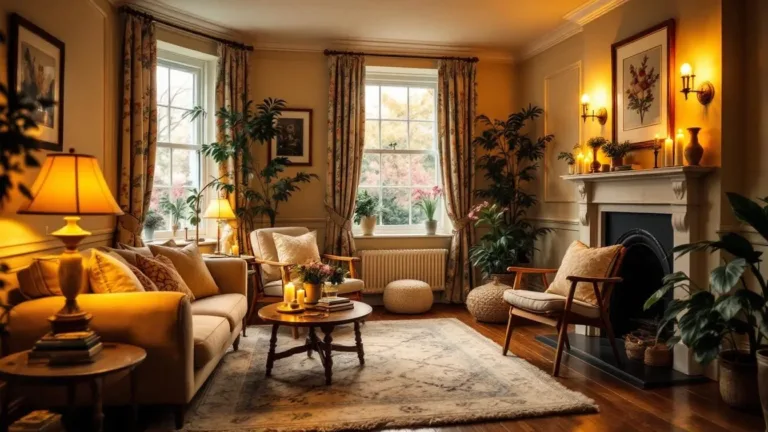
There are also strategies to incorporate artificial lighting effectively. Floor lamps and wall sconces can provide illumination without consuming precious surface space. Installing dimmer switches allows for a flexible atmosphere, adapting to various moods while keeping an open, light ambiance. Lighting can serve both functional and aesthetic purposes, merging practicality with beauty, ensuring the room remains an inviting space at all hours.
Creating Visual Effects with Mirrors
Using mirrors strategically in a small bedroom can significantly enhance its perceived space. Mirrors act as reflective surfaces that bounce light around the room, creating an illusion of depth. A well-placed mirror can make walls feel farther away, assisting in extending the visual boundaries of a compact room.
For instance, a large mirror positioned opposite a window not only captures the natural light but also enhances the picturesque views outside, integrating the surrounding landscape into the interior. Furthermore, choosing mirror designs that echo the room’s style can add an artistic flair while serving a functional purpose. It is advisable to select mirrors with minimalist frames to avoid adding visual clutter, preserving an uncluttered aesthetic that helps the room feel more expansive.
Beyond mere aesthetics, mirrors can also enhance the emotional atmosphere of the room, creating a sense of serenity and tranquility. This delicate balance between functionality and beauty is crucial when reimagining a small bedroom. Such thoughtful choices illustrate how a small shift, like adding mirrors, can profoundly influence the room’s spirit and openness.
Furniture that Works Overtime in Small Spaces
Furnishings play a pivotal role in defining the tone and functionality of a small bedroom. The choice of furniture should focus on maximising space while ensuring the room remains inviting and stylish. Multi-functional furniture is an exceptional aspect of modern interior design that can significantly aid in space saving.
Consider a bed with built-in storage drawers or a lofted bed that allows for the creation of a cozy workspace below. This not only conserves floor space but also adds a layer of practicality that transforms the room into a more functional environment. Furthermore, the use of a small desk that doubles as a nightstand can integrate work and rest zones seamlessly, making the most of every square foot.
Additionally, selecting furniture with a lighter frame can contribute to a perception of increased space. Furniture pieces that sit on legs, as opposed to those that rest directly on the floor, create a sense of airiness, exposing more of the floor beneath them. This visual trickery can play an essential role in achieving a spacious illusion in tiny areas.
Another beneficial feature could be the addition of nesting tables or ottomans with internal storage. These items add flexibility to the room since they can serve multiple purposes depending on the time of day. Thoughtful arrangement of furniture can breathe life into what might feel like a suffocating space. By striking a balance between aesthetic appeal and practical functionality, small bedrooms can transform into beautifully organized retreats.
Colour Schemes that Enhance Space
Choosing the right colour palette can dramatically affect the mood and size perception of a small bedroom. Light and neutral tones tend to create an expansive feel, helping walls to fade into the background. Soft whites, pastels, or light greys can visually expand a cramped space while creating a serene atmosphere.
When applying these hues, extending the colour to the ceiling can eliminate the division of space that dark colours often create. This technique, known as colour drenching, creates a harmonious flow and an immersive environment. It allows the room to feel cohesive and fosters a calming atmosphere—essential for resting spaces.
Yet, this doesn’t mean bold colours are forbidden. Incorporating one accent wall with a deeper shade can add depth without overwhelming the room. It’s about striking the right balance. Textured elements, like a woven rug, soft bedding, or patterned curtains, can also add warmth and visual interest without disrupting the overall lightness.
A well-thought-out colour scheme can evoke different feelings from the occupants. Creating a tranquil and harmonious space invites relaxation, while carefully selected accents can reflect personal style. Ultimately, a small bedroom can become a beautiful sanctuary through mindful colour choices, leaving behind the feeling of being boxed in.
Making Use of Vertical Space
One of the most overlooked aspects of small bedroom design is the potential of vertical space. Often, homeowners concentrate on the floor area, neglecting the abundant opportunities that lie above eye level. Optimising vertical space can significantly enhance utility and style, turning a tiny room into a captivating area of storage and display.
Wall-mounted shelves, for instance, can provide ample storage without taking up valuable floor space. These installations allow for the display of books, artwork, or plants, injecting personality and sophistication into the room. By extending shelves close to the ceiling, it draws the eye upwards, creating an illusion of higher ceilings and more space.
Furthermore, hooks and peg rails can transform unused wall space into practical storage for items that can clutter floors, such as hats, bags, and accessories. Thoughtful organization of these items can visually reduce clutter, enhancing the overall spacious feeling within the room. As such, effective use of vertical space is a critical element in achieving a well-balanced, highly functional sweet spot. It emphasizes not only organization but also the beauty of a curated collection.
Final Thoughts on Small Bedroom Transformation
Transforming a small bedroom into a welcoming and spacious retreat doesn’t necessarily require drastic renovations. Through intentional design choices, one can harness the power of light, reflections, thoughtful furniture, carefully selected colours, and the overlooked vertical space. The combination of these elements fosters a tranquil and expansive ambiance that enriches everyday living.
Ultimately, small bedrooms hold the potential for beauty and function intertwined, enabling individuals to create tailored sanctuaries matched to their needs and lifestyles. Every inch can count, and with a little creativity and inspiration, every small space can thrive and tell the story of its dweller.