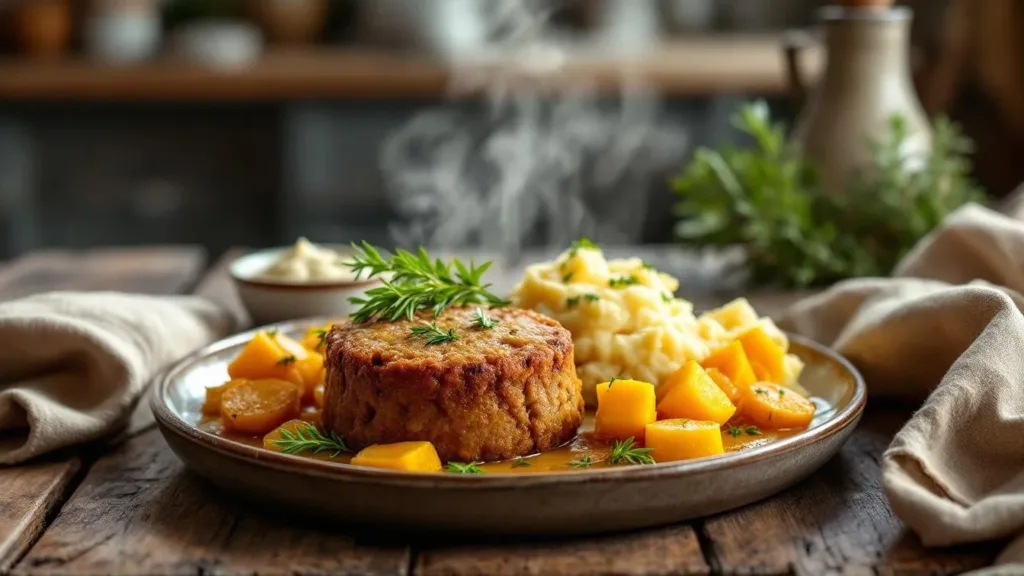
The heart of Scottish cuisine often beats in harmony with the seasons, showcasing ingredients that tell a story of the land and its people. One such dish that perfectly encapsulates this sentiment is a traditional Scottish stew, often crafted with love and patience, and notably becoming even more delightful after a night’s rest. This remarkable phenomenon of flavour enhancement after a day in the fridge reveals the magic of slow cooking and the art of letting tastes meld together. As one savours a hearty bowl of this stew on a crisp morning, memories of the bustling kitchen, the laughter of loved ones, and the aroma wafting through the air are revived, providing a sense of warmth that transcends time.
Whether it’s a rainy day in Glasgow or a sunny afternoon in the Highlands, the experience of savouring this stew transforms a simple meal into an occasion—an aromatic embrace for the senses. Imagine a bubbling pot filled with tender meat, seasonal vegetables, and rich stock, all simmering together to create an inviting symphony of flavours. The uniqueness of this dish lies in its versatility; from using lamb sourced from the rolling hills of Skye to vegetables picked fresh from the markets of Edinburgh, each ingredient plays a distinct role. For many, it embodies home, tradition, and the comfort of a meal shared with family and friends, a sentiment that feels especially resonant in a land known for its folklore and hospitality.
The Beauty of Homemade Scottish Stew
Homemade Scottish stew is not just a dish; it is a narrative of heritage and simplicity, often passed down through generations. In Scotland, the most cherished home cooks, often grandmothers, have perfected their own unique versions, each contributing an individual touch that makes it special. The secret ingredient may vary—perhaps a splash of whisky, a sprinkle of fresh herbs, or a pinch of salt from the sea—each adding depth to an already rich tapestry of flavours.
The traditional recipe typically includes lamb or beef, often slow-cooked for hours to ensure the meat becomes succulent and fully absorbs the essence of the other components. The vegetables, commonly potatoes, carrots, and onions, are an invitation from the earth, grounding the dish in a way that embodies Scotland’s rugged terrain. This meal represents the best of Scottish values, using what is available, minimising waste, and ensuring that nothing is lost in the process.
A crucial step is allowing the stew to rest overnight; this is where the magic truly happens. As the flavours mature and meld together, the stew transforms—what was once separate ingredients now becomes a harmonious ensemble of taste, exceeding the sum of its parts. As the old saying goes, “Time gives a meal personality.” It is this aspect that ignites the flames of nostalgia, often transporting one back to a kitchen filled with warmth and laughter, where meals were meant to be savoured and stories shared.
The Role of Cooking Techniques
Understanding the various cooking techniques that influence flavour is pivotal when preparing a Scottish stew. Slow cooking, for instance, allows tough cuts of meat to break down into tenderness, introducing a richness that cannot be rushed. When one commits to the process of cooking, patience becomes a fundamental ingredient, allowing the heat to coax out the natural juices of each ingredient.
The assembly of the stew often begins with browning the meat, a process that encapsulates the browning Maillard reaction, promoting a deeper, more complex flavour profile. This initial step is crucial; it is where the foundation of the stew’s character is laid. Once caramelised, the meat is set aside, and onions and other aromatics are gently sautéed, releasing their sugars and further enhancing the stew’s depth.
After layering the robust flavours, it’s important to let the preparation simmer correctly. This gentle simmer allows flavours to intertwine, crafting a broth that is both inviting and healing. A seasoned cook may even introduce herbs like thyme or bay leaves, giving the dish an aromatic whisper that lingers with every spoonful. In regions like the Isle of Mull, local chefs often add their own twist with unique herbs found in the area, showcasing the influence of geography on taste. The custom of gathering around the kitchen as the stew bubbles away is a ritual steeped in community spirit—a joyful gathering that highlights the essence of shared meals.
Enhancing Flavours through Overnight Resting
The resting period is essential and often overlooked in the cooking process. It is during this time that the bright notes of each ingredient deepens, allowing for a unified flavour that is more profound than one might expect. Often, the first taste of the stew is delightful; however, the true testament to its richness is found the next day.
The transformation is beautifully simple yet powerful. Ingredients like potatoes absorb the surrounding flavours, while the meat continues to mature in the succulent sauce. This process can hark back to traditional practices when nothing went to waste, and leftovers became revered rather than discarded. A meal that is deemed even tastier on the following day stands as a beacon of sustainability and respect for food resources.
Moreover, returning to a warming dish the day after is invigorating, especially in the chilly Scottish weather. There is something truly special about huddling together with loved ones, a hearty bowl of stew in hand, and recounting stories with every warm sip. It reflects not just physical nourishment but emotional sustenance as well.
The Recipes Passed Through Generations
It is fascinating to note how recipes are interwoven with memories of family gatherings. Each family may incorporate subtle differences into their stew that make it unique, creating a tapestry of culinary heritage. As families evolve, so too do the recipes that define them. For instance, while traditional recipes call for lamb, one may find variations that include game meat from local hunting trips, adding a personal touch that tells a new story.
Some may choose to intrigue their taste buds with added spices, a reflection of the changing landscape of Scottish cuisine that increasingly embraces global influences while maintaining respect for its roots. The journey of evolving recipes can be traced through various regions—from the bustling streets of Edinburgh where modern interpretations flourish, to the cosy kitchens in the Highlands that hold tightly to their culinary traditions.
Ultimately, the experience of enjoying homemade Scottish stew resonates on a profound level. Each bowl carries with it the essence of the cook, the history of the ingredients, and an invitation to sit and share in the comforting flavours of home.