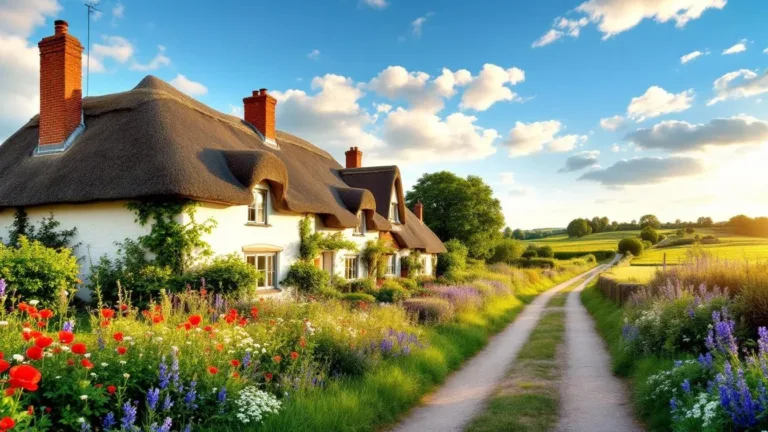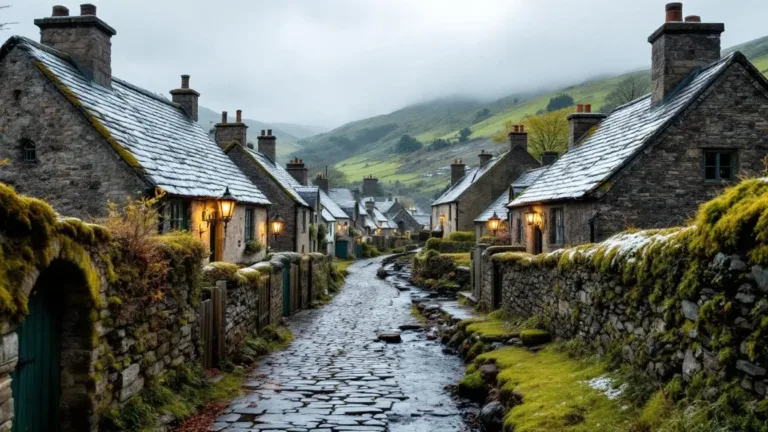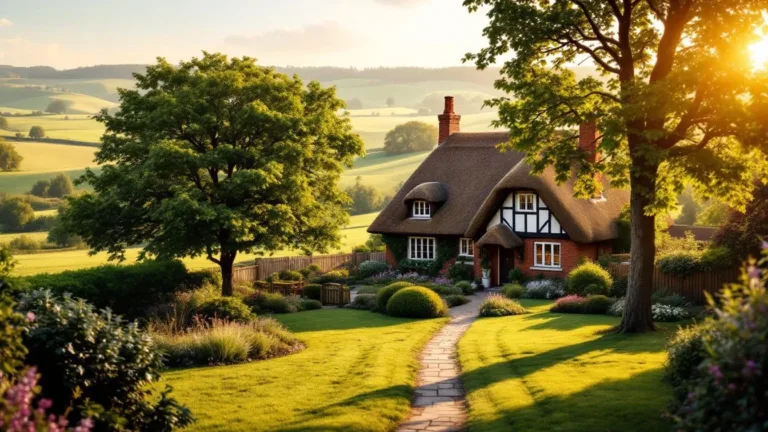
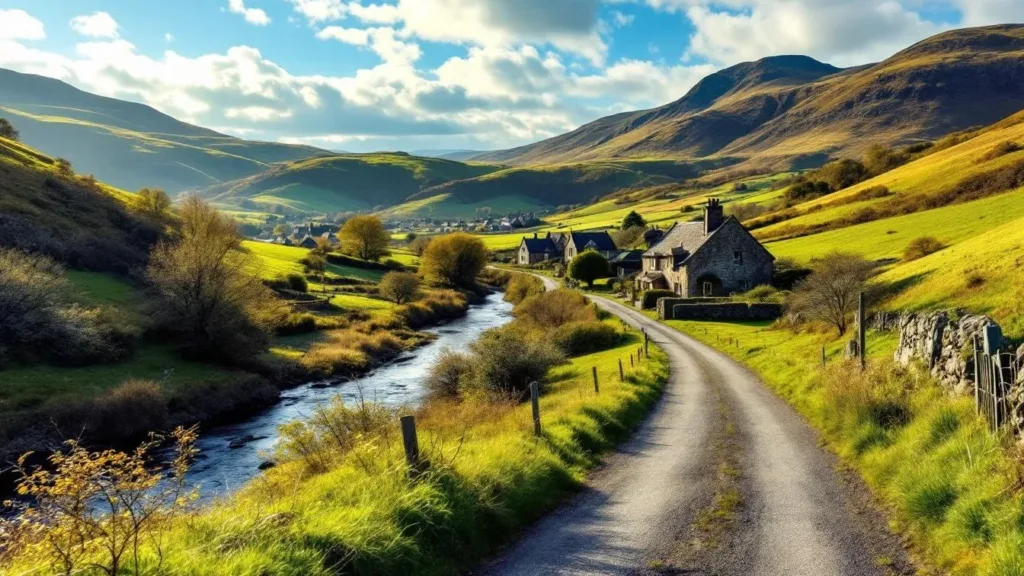
As the pulse of London continues to beat vigorously, a quieter, yet profound shift is occurring just north of the border. Workers from various sectors are increasingly drawn to the picturesque landscapes of rural Scotland, exchanging the frenetic energy of the capital for a more tranquil lifestyle. This migration isn’t merely an exodus; it’s a recalibration of priorities, a search for a deeper quality of life, and a response to a changing job market that increasingly accommodates remote work. The allure of Scotland’s rolling hills, enchanting lochs, and close-knit communities is proving irresistible for those seeking solace from the relentless hustle of urban life.
The phenomenon, often termed “The Great Urban Shuffle,” encapsulates this migration trend, where rising living costs, flexible work arrangements, and a desire for more space and connection to nature are leading many to favour rural living. An exploration into why UK workers are gravitating towards Scotland provides insights not only into economics and job opportunities but also into the emotional well-being that these landscapes can foster.
The Rise of Remote Work and Its Implications
Since the onset of the global pandemic, the world of work has undergone a revolution. Many companies have embraced flexible working arrangements, allowing employees to operate from virtually anywhere. Rural Scotland, with its serene beauty and relatively low living costs compared to London, has become a desirable destination for remote work relocation.
For instance, companies headquartered in bustling cities are now reassessing their operational strategies, recognising that productivity need not be tied to a physical office. In fact, a survey from 2024 indicated that 70% of employees now prefer a hybrid work model, blending time between home and office. As a result, places like the Highlands and the Borders are gaining attention from those who once thought the city was the only option.
Embracing a New Work-Life Balance
Such transformations in the work culture encourage individuals to prioritise their mental health and emotional well-being. The hustle of London often leaves little room for leisure or relaxation, a necessity that the peaceful settings of rural Scotland can provide. Imagine, for instance, a young professional who once wrestled with exhaustingly long commutes now finds solace in the gentle caress of the morning sun at a lochside cabin. Regular walks in landscapes painted with dramatic vistas allow for reflection and serenity; a welcome retreat from the chaotic rhythms of urban life.
The appealing notion of blending work with leisure is reinforced as families seek homes that accommodate both their professional and personal aspirations. With more room for home offices and gardens, opportunities for outdoor pursuits become an integral part of everyday life. The value of fresh air, physical activity, and community connection is reflected in the increased desirability of rural locales.
Cost of Living Considerations
The financial implications of urban versus rural living are stark and perhaps the most compelling reason behind this migration trend. London is notorious for its excessive cost of living, with average house prices soaring far beyond what many can afford. In 2024, the average home in London was valued at approximately £500,000, a staggering figure compared to rural areas in Scotland where homes are often available for less than half that price.
The correlation between cost of living and quality of life cannot be overstated. Shifting to rural Scotland means that families can secure larger homes often surrounded by nature without compromising their financial stability. This enables them to enjoy a lifestyle rich in experiences rather than one constrained by the relentless pressures of urban expenses. According to the Office for National Statistics, living in rural Scotland permits families to allocate funds for travel, hobbies, and community involvement—elements integral to a fulfilling life.
Quality of Life and Community Bonds
Moreover, rural communities often nurture a sense of belonging that can be missing in larger urban centres. Towns like Fort William and communities in the Cairngorms are known not only for their stunning landscapes but for their welcoming atmospheres. The human connection fostered in smaller settings encourages social interaction and communal support, pivotal in today’s fragmented world. Individuals relocating from cities to these villages often find more than just new neighbours; they gain a sense of home.
In tandem with these connections, the overall quality of life significantly improves. A report by the Health and Wellbeing in Scotland in 2024 highlighted that residents in rural areas reported higher satisfaction levels—many citing lower crime rates, cleaner air, and ample opportunities for outdoor recreation as contributing factors. Such enhancements to daily living offer solace to those who may have felt overwhelmed by the pressures of city life.
The Job Market: A New Landscape
The job market has effectively transformed in response to this migration. As companies extend their search for talent beyond urban boundaries, Scotland has emerged as an unexpected hub for skilled workers. Industries such as tech, renewable energy, and creative arts are thriving, rejuvenating areas that were once struggling economically.
Take, for instance, Edinburgh, which has garnered a reputation as a burgeoning tech landscape, often dubbed the “Silicon Glendevon.” Here, opportunities abound not only for local talent but also for those migrating from other parts of the UK. The rise of initiatives to support local entrepreneurs and tech start-ups has further fortified the region’s attractiveness. It may seem surprising, but workers who formerly felt they had no choice but to reside in the capital are finding their place within vibrant, welcoming communities in Scotland.
Infrastructure Developments and Connectivity
As this migration pattern solidifies, further improvements in infrastructure and connectivity are evident. Enhanced transport links and growing broadband availability have bridged the gap between urban and rural lives, making it easier than ever for families to settle without fear of isolation. The government’s investment in rural broadband has revolutionised communication, ensuring that professionals can work efficiently, regardless of their geographical location.
Ultimately, these factors create a fertile environment for employment growth while enhancing Scotland’s appeal as a destination for those fleeing the hustle of London. Whether it’s remote work opportunities in the Highlands or tech positions in vibrant cities, the job market is adapting to cater to new demands.
Challenges of Rural Relocation
Despite the many advantages, the journey to rural living is not without its challenges. Transitioning from urban environments can invite a unique set of obstacles. Long commutes for those who must travel occasionally to city offices can feel daunting, with rural areas often situated far from major transit hubs. A notable study from 2024 highlights that individuals living in deep rural locations often travel nearly twice as far for work as those based in urban centres. This increased travel can lead to time constraints on family and social life.
Moreover, accessibility to essential services like healthcare can also pose significant challenges. Rural areas often grapple with shortages of medical professionals, leading to longer wait times for appointments. Although community ties are often stronger, the healthcare infrastructure must evolve to keep pace with population growth and increasing demand.
Connectivity and Infrastructure Issues
The gaps in connectivity also warrant concerns. While broadband speeds are steadily improving, some areas remain poorly serviced, impeding both personal and professional communications. Many rural residents are increasingly aware of such disparities and actively advocate for better services through community initiatives.
Despite these hurdles, the resilience displayed by those transitioning to rural life speaks volumes about their commitment to prioritising their emotional well-being and connection to nature. The challenges faced in relocation serve only to reinforce their resolve to create a life rich in quality, purpose, and community.