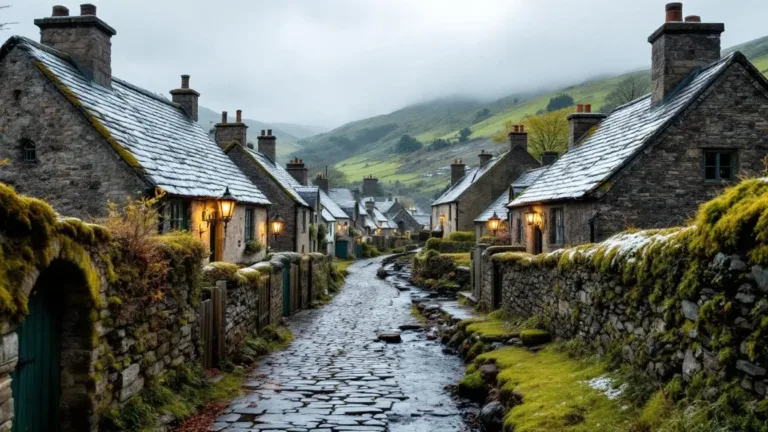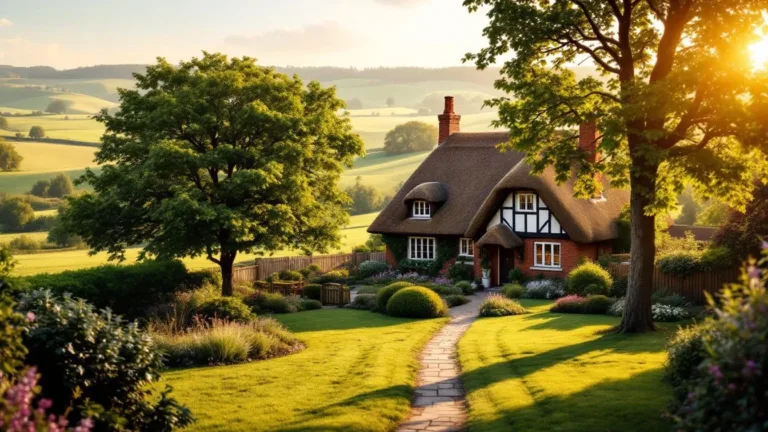
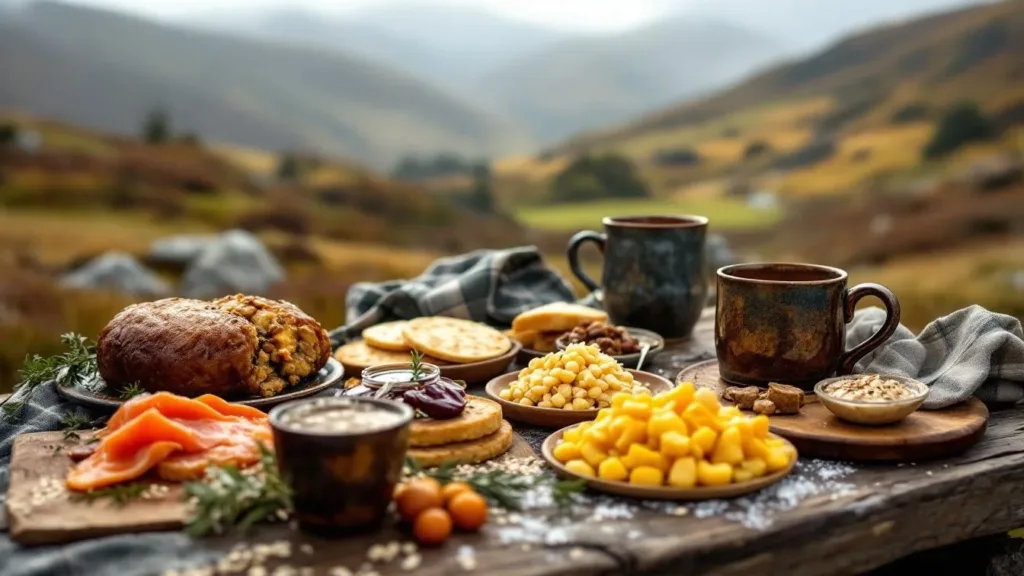
Embarking on a culinary journey through the lush landscapes and rugged hills of the Scottish Highlands offers not just a taste of tradition, but a glimpse into a rich tapestry woven by history, culture, and necessity. Highlanders, known for their resilience and strength, have sustained themselves through generations with a diet that reflects the resources available in their environment. This exploration of the Scottish Highland diet transcends mere sustenance; it serves as a portal into a lifestyle deeply connected to nature, fostering a profound respect for the land and its bounty. The traditional Highland dishes, rich in protein and flavour, not only showcase the area’s culinary heritage but also reveal the interdependence of food, community, and survival. Through a week-long challenge of consuming only food that a Highlander might have eaten centuries ago, one embarks not just on a diet experiment, but on an immersion into a way of life. What can be gleaned from this ancestral way of eating? And how might it illuminate the choices we face in modern dining? Let’s delve into the depths of Highland cuisine and discover the enduring legacy of Scottish food.
The Traditional Highland Diet: Understanding the Basics
The diet of the Scottish Highlanders was shaped by a confluence of geography, climate, and cultural imperatives. Here, the land dictated not only what could be grown but also what could be hunted and fished. The foundation of the Highland diet consisted predominantly of meat, fish, and dairy, complemented by seasonal vegetables and grains. Unlike many other European populations, Highlanders enjoyed a remarkable freedom regarding access to their natural resources. The land, often owned communally by clans, allowed individuals to hunt wild game and fish from the numerous rivers and lochs that dotted the landscape.
Meat and Dairy: The Cornerstones
In the Highlands, meat was not just a luxury but a staple, with sources ranging from grass-fed cattle to sheep and wild game. The Highlanders were particularly fond of mutton—meat from older sheep—known for its rich flavour and high-fat content. This was complemented by a variety of dairy products made from the milk of their herds. Butter, cheese, and sometimes clotted cream provided essential fats needed for maintaining energy levels during their demanding lives.
Hunting was a communal activity, often opening the season for gatherings and celebrations. Families would come together to process the game, ensuring nothing went to waste. Traditional practices such as salting meat meant they could preserve their bounty for the harsh winters that lay ahead. During this week-long experiment, it becomes apparent that sharing meals was about more than nourishment; it was about fostering connections and fortifying clan bonds.
Wild Game and Fish: A Taste of Freedom
The freedoms enjoyed by Highlanders set them apart from their counterparts in other parts of Europe, where hunting was often restricted to the nobility. In the Highlands, every spring brought a rush of activities as families prepared to fish in the rivers teeming with salmon and trout. The rivers not only served as a source of food but also as a cultural touchstone, steeped in legends and stories passed down through generations. Cooking fresh fish over an open fire, experienced during this week’s exploration, evokes a powerful connection to a time when sustenance was less about convenience and more about appreciation and respect for the land.
Game was also plentiful, and the traditional Highlander would engage in activities like stalking deer, a practice that resonates with the ethos of connection to the wild. Even in modern attempts to replicate these meals, one is reminded of the elemental joy of dressing a catch and the inherent satisfaction that comes from meals prepared without the aid of contemporary conveniences. From jerky to stews simmered over a fire, Highland recipes often centre on the day’s catch, reflecting an ethos of respect for what nature provides.
The Ingredients of Highland Cuisine: A Closer Look
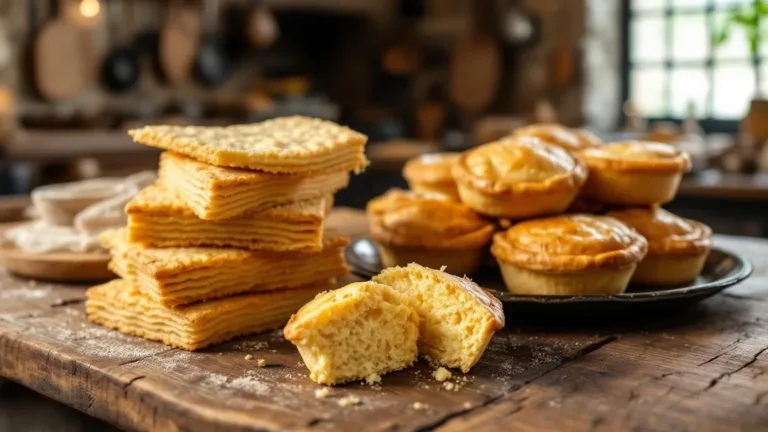
A more intimate understanding of Highland cuisine reveals a diversity of ingredients that are not only delicious but deeply tied to the region’s history. Oats in particular held a special place in Highlanders’ hearts, offering sustenance in the form of porridge, cakes, and breads. The Scottish oatcake, a simple yet satisfying creation, paired nicely with cheese or lard. Its cultural significance is evident in gatherings, where sharing an oatcake brought people together, serving as a symbol of hospitality.
Foraging and Seasonal Eating
For Highlanders, foraging played a pivotal role in complementing their diet. The landscape abounded with wild greens, berries, roots, and fungi, all providing essential vitamins and flavour. Blackberries, bilberries, and wild garlic were just some of the natural treasures found throughout the Highlands. This reliance on seasonal availability not only promoted sustainable eating but fostered an intimate awareness of the rhythms of nature.
Alternatively, “root vegetables” such as turnips and potatoes were commonplace, providing filler during harsh winters. These staples were often prepared in a straightforward manner, showcasing the simplicity and hearty qualities of Highland fare. A week spent consuming such wholesome, locally-sourced foods serves as a reminder of a time when diet was about survival rather than indulgence, fostering a respectful dialogue with the land and its offerings.
Cooking Methods and Meals
The methods of preparation are as interesting as the ingredients themselves. Traditional Highland dishes typically included stews and broths. One might reflect on the classic Scotch broth that encapsulates the essence of Highland cooking: a savoury mixture of meat, barley, and vegetables simmered to perfection. The rich taste of the broth deeply satisfies the soul while also providing necessary nutrients to withstand the climatic challenges of the region.
Moreover, smoking was another prevalent technique used to impart flavours, particularly to fish such as herring, cherished within Highland culinary circles. This process essentially acted as a means of preservation while also creating a distinct taste, reminding modern eaters of the techniques that have stood the test of time.
The Cultural Impact of Food in Highland Society
Food in the Scottish Highlands extends beyond mere nutrition, serving as an emblem of identity and community. The shared act of preparing and consuming meals has long been a focal point of Highland society. Indeed, traditional Highland feasts were known for their grandeur, bringing together clans and families in a celebration of unity and cultural heritage. Festivities often centred around the harvest season, when the bounties of the land were collected and appreciated.
Rituals and Gatherings
These communal meals were infused with rituals that celebrated not only the food but also the people who grew and prepared it. Entertaining guests with a hearty helping of haggis, complete with a recitation of the poet Robert Burns, shows how intertwined food and culture are within Highland communities. This sense of belonging fosters a strong respect for the land, encouraging sustainability and generational wisdom to be passed down.
On a personal level, participating in such gatherings during the week of Highland-style eating provided an authentic taste of community spirit. Everyone involved—friends, family, or even strangers—came together to share stories while nestled around a warmth of a fire or dining table. The atmosphere was imbued with laughter and warmth, showcasing how food has always worked to strengthen bonds amongst Highlanders.
Tradition Meets Modernity
Despite the encroachment of modernity, Highland cuisine continues to find a significant place in contemporary Scottish settings. Culinary festivals in places like Inverness have risen to celebrate and reinvigorate traditional dishes, ensuring the cultural significance of Highland cuisine is not lost. Chefs experiment with ancient recipes, adapting them for modern palates while still honouring their heritage.
Health Effects of the Traditional Highland Diet
It is essential to consider the health ramifications of a diet inspired by ancient Highlanders. With a strong emphasis on whole, unprocessed foods, it’s clear why the Highland diet has been praised for its nutritional benefits. The consumption of high-quality meats, healthy fats, and an abundance of fresh vegetables creates a nourishing and balanced food system that promotes wellness and vitality.
Physical and Mental Well-being
During the week experiment, participants report feeling more energised and mentally clear, which can be linked to the absence of processed sugars and additives typical of modern diets. Complex carbohydrates, such as oats and root vegetables, provide sustained energy, preventing the common midday crashes often associated with less mindful eating. The variety of foods also ensures a broad spectrum of vitamins and nutrients, crucial for physical health.
In addition, engaging in the act of preparing meals from wholesome ingredients contributed significantly to mental well-being. Being connected with where food comes from generates mindfulness—a concept that many find becomes lost amid the fast pace of contemporary living. This week-long culinary dive not only nourished the body but also the spirit, echoing the Highlander’s spirit of connection to both the land and community.
The Way Forward: A Return to Roots
This journey, thus, raises crucial questions about modern British dietary practices. Could a return to the Highland approach hold the key to better health in an increasingly industrialized food world? Perhaps understanding historical eating habits enriches current perspectives on how to eat sustainably while reinforcing community bonds. Highland cuisine teaches the value of mindful eating and sharing meals, reinforcing the time-honoured adage that food is more than just fuel; it is a thread that binds us all.
Reflections on the Week of Eating Like a Highlander
Having engaged in a week-long experiment of consuming food mirroring that of a Scottish Highlander illuminates a deeply interconnected tapestry of tradition, culture, and health. The experience serves as a palpable reminder of the roots and wisdom embedded in the fabric of Highland life. The distinct flavours of the meals prepared and shared throughout the week spoke to a culinary lineage that has bravely withstood the test of time.
Ultimately, this journey through Highland cuisine fosters considerations of how dietary practices could evolve to not only promote individual health but also bolster community relationships and environmental sustainability. As these rich culinary traditions echo in modern kitchens, they invite contemplation on how to weave the past into our present eating habits, thereby enriching our futures.