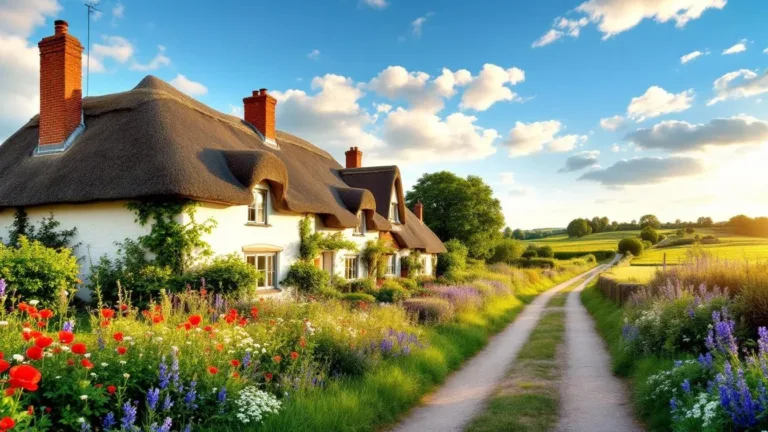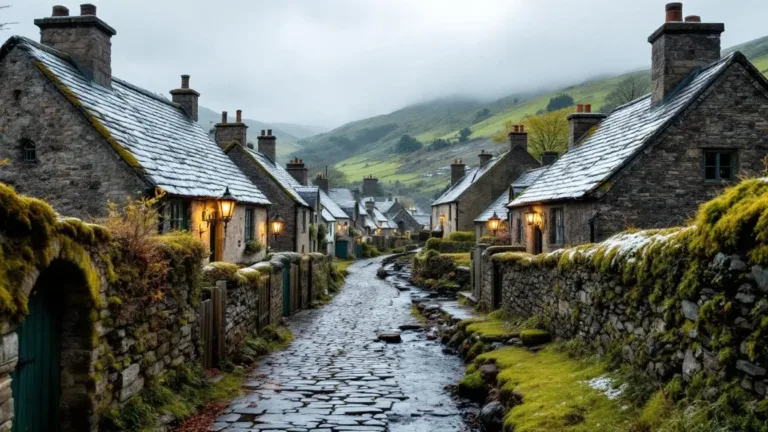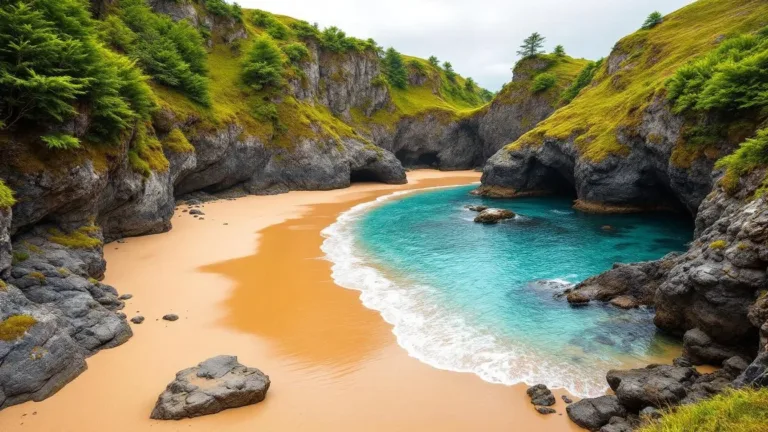
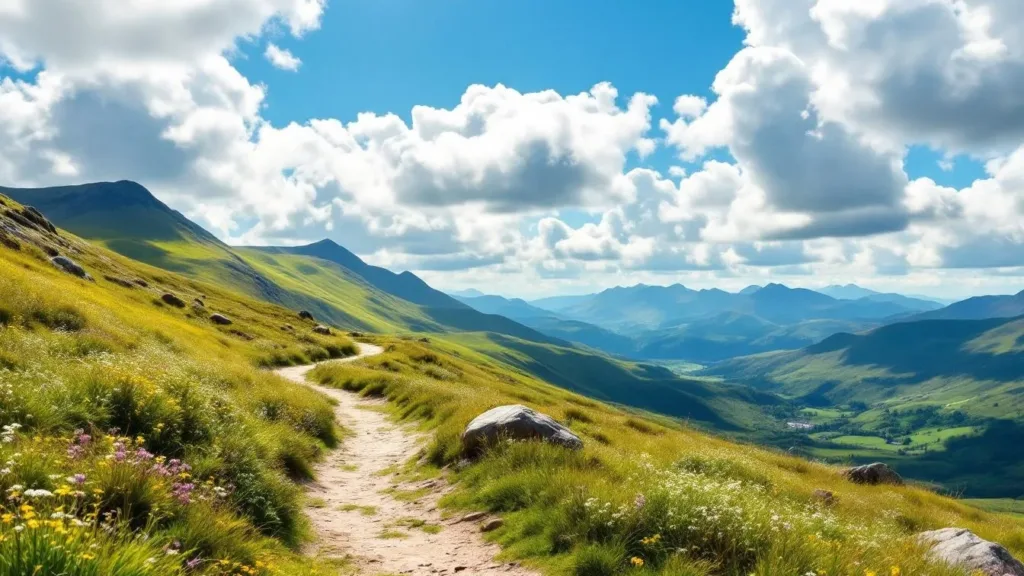
As the vibrant hues of Scotland’s Highlands bloom with the arrival of spring, the allure of walking through these majestic landscapes becomes undeniably captivating. Rather than stepping onto the sterile floors of a gym, imagine the sun breaking through the clouds and casting a golden glow on the rugged terrain, inviting everyone to lace up their walking boots. The great outdoors offers a myriad of benefits that extend far beyond physical fitness, nurturing both the body and mind. Walking in the Highlands isn’t merely a form of exercise; it’s an immersion into nature that has profound implications for well-being.
Studies increasingly support the assertion that outdoor exercise, particularly in areas rich in natural beauty like the Highlands, has distinct advantages over traditional forms of fitness. The many trails winding through towering mountains and lush valleys provide an invigorating experience where the stress of urban life dissipates. Natural environments have a unique way of revitalising the spirit and rejuvenating health in ways that a gym simply cannot replicate. With the wind gently rustling the leaves and birds providing a melodious backdrop, each step becomes a celebration of life—an invitation to connect deeply with oneself and the world.
The Benefits of Walking in a Natural Environment
Walking in scenic areas such as the famous West Highland Way enhances not only physical fitness but also mental health. Evidence suggests that immersing oneself in nature can significantly reduce stress levels, offering a form of stress relief that is often elusive in indoor settings. The pristine scent of the air, tinged with the fragrance of heather and pine, creates a multisensory experience that promotes calmness and clarity. The results of various studies indicate that spending time in nature is associated with lowered cortisol levels—the body’s primary stress hormone—enhancing overall feelings of well-being.
The Magical Connection to Nature
The Highlands breathe life into every individual, offering a profound connection that is nearly impossible to achieve in a controlled, artificial environment. Nature’s complex structures create a sense of belonging and kinship often lost in fast-paced contemporary living. As individuals walk along the shores of Loch Lomond or climb to the heights of Ben Nevis, they encounter not just physical challenges but also opportunities for deep reflection and personal growth.
Moreover, research consistently highlights the increase in cardiovascular health and endurance that comes from regular walking routines, particularly in hilly terrains. Numerous studies show that individuals burning calories in natural settings report enhanced motivation and commitment to their fitness journey. A 160-pound person walking on flat terrain might burn approximately 150-200 calories an hour, but walking uphill in the fabled Highlands can escalate this to around 440 calories, more than double the output.
Walking vs. Gym Workouts: A Unique Comparison
For those accustomed to the predictable, often mechanised environment of a gym, the transition to outdoor exercise may initially feel daunting. However, the shift unveils myriad rewards. Gyms enforce a rigid structure—a focus on equipment, an electric atmosphere, yet this often stifles the very essence of what working out should feel like. In stark contrast, the outdoors invites individuals to engage with nature while exploring personal limits. Each incline conquered and each picturesque view celebrated spurs a newfound energy and determination. As cardiovascular health flourishes, mood enhancements follow suit, making the choice to venture beyond the four walls of a gym seem almost natural.
Fostering Mental Health Through Nature Walks
Venturing into the sprawling landscapes of the Highlands nurtures the soul in ways conventional workouts cannot touch. Recent studies indicate that walking in nature significantly decreases levels of anxiety and symptoms of depression. Such psychological benefits are warmly welcomed in a world where mental health issues continue to alarmingly rise. Each step taken amongst towering mountains and tranquil lochs becomes a meditation—encouraging clarity of thought and emotional stability. The rhythmic sound of footsteps on pebbled paths often gives way to contemplative silence, allowing deep reflection.
Scientific Insights on Nature’s Benefits
The phenomenon of ‘forest bathing’—originating from Japan—has garnered global acclaim as researchers unveil the multifaceted benefits of immersing oneself in natural settings. Exposure to phytoncides, organic compounds released by trees, has been linked with a boost in natural killer cell activity—an essential element in bolstering the immune system. A study published in 2005 illustrated that natural killer cells remained elevated for up to 30 days post-exposure, signifying the long-lasting health impacts nature imparts upon individuals. The implications of such findings resonate deeply, reinforcing the idea that a stroll through the Highlands is indeed a powerful ally for mental fortitude and physical vitality.
The Role of Fractals in Mental Well-being
Delving deeper into the enchantment of nature reveals the aesthetic appeal of fractals—natural patterns within the landscape that resonate with human psychology. These recurring structures, visible in everything from fern leaves to swirling clouds, could potentially trigger alpha waves in the brain, a marker for relaxation and heightened creativity. Natural environments, rich in fractal designs, offer a profound sense of peace and clarity, fostering an atmosphere that encourages inspiration and imaginative thought.
How to Embrace Walking in the Highlands as a Lifestyle
Establishing consistency in walking routines encourages adherence to this natural lifestyle. Start with gentle hill walks, gradually increasing in intensity and duration. Captivating spots like the Cairngorms or the Isle of Skye offer breathtaking views that entice explorers of all skill levels. Consider investing in a good pair of walking shoes and weather-appropriate attire to ensure comfort and safety. The introduction of gentle inclines increases calorie burn without detrimental impacts on the joints, making this a highly suitable option for individuals of varied fitness levels. Whether it’s an early morning stroll or an afternoon hike, taking time to appreciate the stunning landscapes fosters a sense of gratitude and responsibility towards preserving these natural wonders. The tapestry of the Highlands—woven with rich wildlife, ancient trees, and clear waters—invites human beings to interact with their environment holistically. The wide-ranging advantages of walking in nature extend well beyond the physical realm. Engaging in outdoor exercise fosters communal ties and strengthens relationships as friends and families bond while exploring trails together. The joy derived from sharing experiences and supporting one another in shared journeys cannot be understated, adding layers of social connection critical to overall health and wellbeing. In the light of current challenges, there has never been a more pertinent time to reevaluate fitness practices and consider the holistic benefits of outdoor exercise. Walking within the Scottish Highlands encapsulates a journey that nurtures body, mind, and spirit. This energetic shift from gym workouts to nature-filled excursions fosters not just physical fitness but also emotional stability and social connections. For those seeking rejuvenation from the demands of modern life, the answer might lie not in the confines of a gym but rather under the vast, open skies of Scotland’s breathtaking landscapes. The articulation of each step taken on rugged trails presents an opportunity for profound personal growth, reminding everyone that nature is not merely an escape—it is a sanctuary waiting to be rediscovered.Creating a Walking Habit
Wellbeing Beyond the Trail
The Transformative Power of Walking in the Highlands