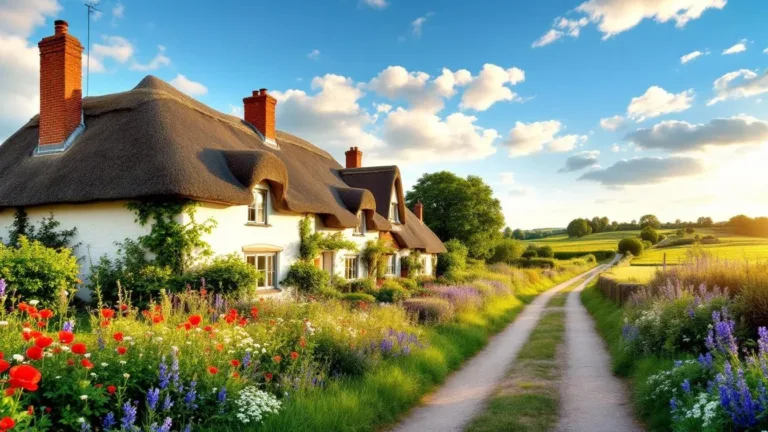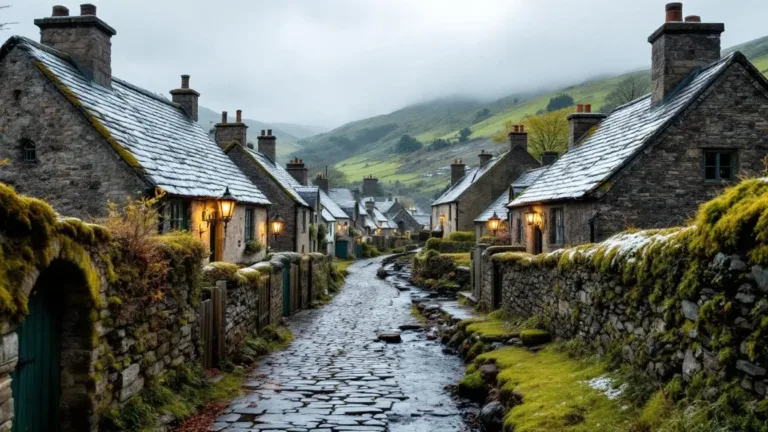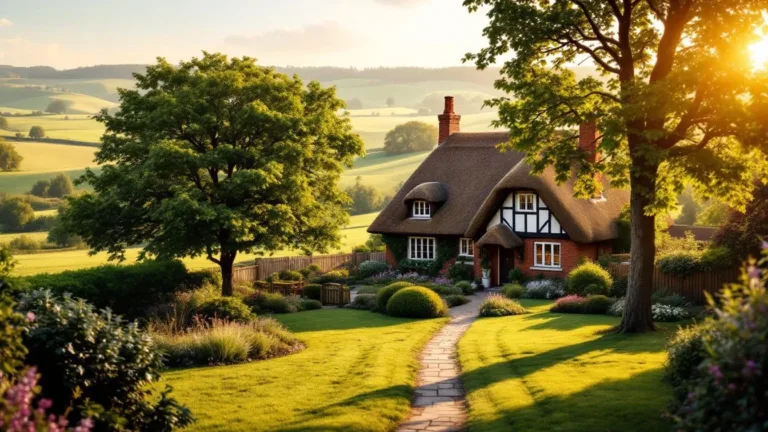
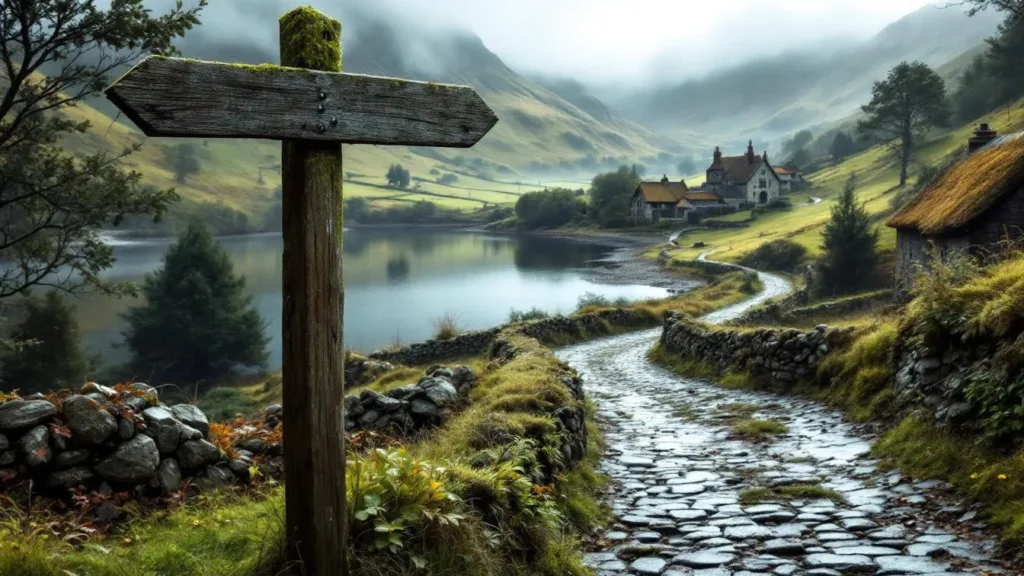
The majestic landscapes of Scotland, adorned with rolling hills, ancient castles, and vibrant cities, have long lured tourists eager for a taste of its storied culture. Yet, amidst the breathtaking beauty of locations such as the Isle of Skye or Edinburgh’s Royal Mile, there exists a subtle truth, often overlooked by those venturing into this enchanting country. For all its allure and charm, Scotland harbours secrets that only locals know, intricacies that weave a richer tapestry of its culture. While visitors are greeted with warmth and hospitality, there are nuggets of wisdom passed down through generations that are rarely shared with tourists — insights that could transform a simple visit into an authentic experience, allowing for a deeper connection to the spirit of Scotland.
The Cultural Fabric of Kilts and Tartan
When one thinks of Scotland, the iconic image of the kilt often springs to mind, yet the garment is much more than mere attire; it is an emblem of heritage, identity, and history. The tradition of wearing kilts dates back centuries, with the patterns woven into tartans telling tales of clans and ancestry. Each tartan is unique, typically reflecting a particular Scottish clan, and some pristine examples can be witnessed at events like the Highland Games, where pride in this ancient garment is on full display. It’s worth noting that while tourists might be prompted to don a kilt for a photo opportunity, locals often shake their heads at those who fail to comprehend its significance.
Many visitors mistakenly wear kilts without understanding their cultural weight. Scottish locals find it curious when tourists treat the kilt as mere fancy dress instead of a significant piece of their cultural heritage. In researching for a visit, it’s beneficial for travellers to grasp the historical context surrounding tartan and kilts; for instance, the act of wearing specific tartan patterns became forbidden in the 1700s as part of an effort to quash Scottish identity following the Jacobite uprisings. This vital piece of Scottish history can deepen one’s appreciation of the garment and enhance the travel experience by showing respect for Scotland’s past.
The Importance of Respect in Cultural Garb
Moreover, mocking traditional Scottish attire is not just ill-advised; it can be perceived as deeply offensive. Locals value their customs and the meanings entwined with them, hence visitors should approach these traditions with a sense of respect and understanding. To laugh at something unfamiliar only serves to create a divide between tourists and locals, hindering the forging of genuine connections. Instead of viewing Scotland through the lens of a film set, an authentic engagement with its customs is encouraged. Such appreciation fosters mutual respect and invites conversations that delve deeper into the nation’s rich history.
The Allure of Scotland’s Hidden Gems
Scotland is adorned with myriad hidden gems — places far removed from the bustling tourist trails that offer a glimpse into the everyday life of locals. When planning a journey, it is easy to be enticed by the luminous lights of Edinburgh or the vibrant culture of Glasgow, but the tranquillity of Scotland’s less-travelled paths presents an equally compelling narrative. Visitors who venture into regions like the Outer Hebrides or the quaint fishing villages along the Fife coast often stumble upon an authenticity that larger cities cannot provide.
The Isle of Barra, for instance, captivates with its stunning sandy beaches and a slower pace of life that stands in stark contrast to the bustling urban centres. Here, one can immerse oneself in the rich Gaelic culture still prevalent among the local populace. By partaking in local customs, such as attending a ceilidh (a traditional Scottish social gathering featuring music and dancing), tourists can foster connections with residents and gain a deeper understanding of Scotland’s diverse culture.
Slow Living and Nature’s Embrace
Taking the time to savour these experiences allows for a richer journey. Visitors should consider spending longer periods in a single location rather than attempting to cram in multiple destinations over a short period. This approach isn’t just about the itinerary; it’s an invitation to embrace Scotland’s breathtaking landscapes and the stories they tell. The serenity of the countryside, punctuated by twisting lochs and picturesque glens, encourages a connection to nature that’s often lost in a fast-paced travel schedule.
Understanding the value of slow travel can transform a trip into an unforgettable exploration of Scotland’s cultural fabric. Some might find themselves enchanted by the staggering beauty of places like Glencoe — a valley steeped in tales of heroism and tragedy, often referred to as Scotland’s most haunted place due to its dark past. Those willing to listen to local tales may find their experiences enriched by the stories hidden just beneath the surface.
The Culinary Delights of Scotland
Scottish cuisine often faces an unfair reputation, with dishes like haggis dismissed by some tourists before ever sampling them. This traditional dish, often served with neeps (turnips) and tatties (potatoes), carries a depth of flavour that speaks volumes about Scotland’s culinary heritage. The ingredients may sound unconventional to some, but the preparation and seasoning are what transform this dish into a beloved staple. What’s more, vegetarian variations of haggis have emerged, offering a taste of traditional Scottish fare without the barriers that may deter sceptics.
The true magic lies in the experience of sharing a meal with locals who embrace their culinary culture. Establishments like Kingshouse Inn offer not merely food, but a sense of warmth and hospitality as locals share stories whilst dining. Each dish comes with its own slice of history and tradition. Such communal experiences foster relationships between visitors and residents, deepening the understanding of Scotland’s rich culture and its people.
The Importance of Trying Local Cuisine
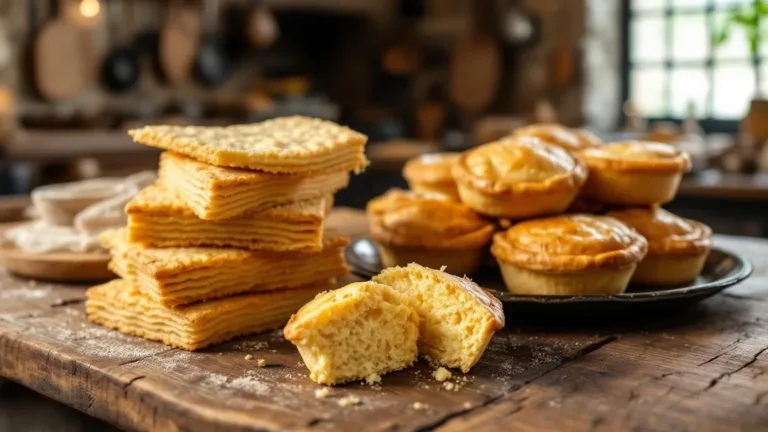
Engaging with local food is an essential aspect of exploring Scottish culture. While it may be tempting to stick to familiar dishes, doing so can lead to missing out on the intricate tapestry of flavours that Scotland has to offer. Cuisines like Cullen skink, a creamy smoked haddock soup, provide insight into the nation’s coastal heritage, while hearty Scotch pies reflect the agrarian life that has sustained the population for generations.
The culinary journey through Scotland is as enriching as exploring its historic sites. Each meal becomes a memory, creating a bond with the locals who take pride in their culinary history. By embracing local dishes, tourists symbolically embrace the culture itself, leading to a more memorable journey.
Welcoming Nature and Outdoor Adventures
One cannot visit Scotland without recognising the sheer magnificence of its natural landscapes — a call to adventure that resonates deeply with locals. For Scottish residents, exploring the great outdoors is a way of life. Whether it’s hiking the rugged trails of the Cairngorms or cycling through the Promised Land at Luss, nature becomes a backdrop for everyday adventures. The landscape is a testament to the spirit of resilience found in Scots, with each crag and glen holding centuries of history.
Yet, the experience of traversing these terrains should be approached with respect for the land and its ecosystems. Visitors are encouraged to tread lightly and embrace the principles of ‘Leave No Trace,’ ensuring that the breathtaking landscapes remain unspoilt for future generations.
Off the Beaten Path
Scotland boasts numerous hiking trails, some lesser known yet equally stunning. The path to the Isle of Skye’s Fairy Pools invites intrepid explorers to witness the ethereal beauty of crystal-clear waters, while journeys through the Trossachs can reveal captivating scenes that evoke old Scottish folklore. Locals relish these hidden spots; sharing this knowledge with visitors enables a shared appreciation of the land that fosters emotional connections.
Embracing outdoor activities in a responsible manner promotes authentic experiences while simultaneously advocating for the protection of Scotland’s stunning natural environments. Consequently, journeys that lead travellers away from the ordinary tend to yield the richest encounters, as those engaged with nature often find themselves more attuned to local culture and practices.
Misunderstandings and Faux Pas
Despite their welcoming nature, Scottish locals are sometimes amused, or even offended, by the misconceptions tourists may hold. For instance, claiming a Scottish identity based on distant ancestry can evoke chuckles among locals; being Scottish is more than shared genetics or a DNA test. Instead, it encapsulates a shared connection to the land, culture, and community of contemporary Scotland. This distinction is invaluable in fostering respectful relationships with residents.
Moreover, the rivalry between Glasgow and Edinburgh often manifests in unsolicited opinions about which city reigns supreme. While the two cities are just a short trip apart, each possesses a unique charm deserving of appreciation. Tourists are advised to embrace what each city has to offer without sparking debate among locals.
Building Authentic Connections
The relationships fostered between visitors and locals can be substantial when rooted in understanding and respect. A genuine appreciation for Scotland’s layered history and culture nurtures empathetic dialogue, which echoes the values ingrained in Scottish society — hospitality, friendship, and open-mindedness. Instead of focusing on superficial perceptions of identity, tourists are better served by immersing themselves in the lived experiences that define Scottish culture today.
By embracing local insights and participating actively in Scotland’s vibrant tapestry, visitors are afforded the opportunity to forge meaningful connections. The emotional resonance that comes from shared experiences — whether through laughter at a pub, the warmth of community festivals, or the awe of majestic landscapes — culminates in unforgettable memories that travel well beyond the duration of a visit.
The Connections That Last Beyond the Visit
The beauty of Scotland lies not only in its breathtaking scenery or rich history, but in the spirit of the people who call this land home. Amidst the gentle rolling hills and rugged mountains, one finds the stories of generations steeped in tradition — stories that resonate within the hearts of both locals and those fortunate enough to call this nation a temporary sanctuary. Celebrating the connections forged through shared experiences can breathe new life into a visit, revealing that the magic of Scotland lives not merely in its attractions, but in the relationships nurtured along the way.
Through recognition of cultural nuances, respect for local customs, and a willingness to explore beyond the beaten path, tourists can cultivate authentic encounters with Scottish locals. These interactions transcend the ordinary, gifting visitors an enriched experience steeped in warmth and camaraderie. As the sun sets over the Scottish landscape, casting a golden hue on the hills, the memories linger long after a traveler has returned home, echoing in the quiet corners of their heart and leaving them forever changed by the magic of Scotland.