
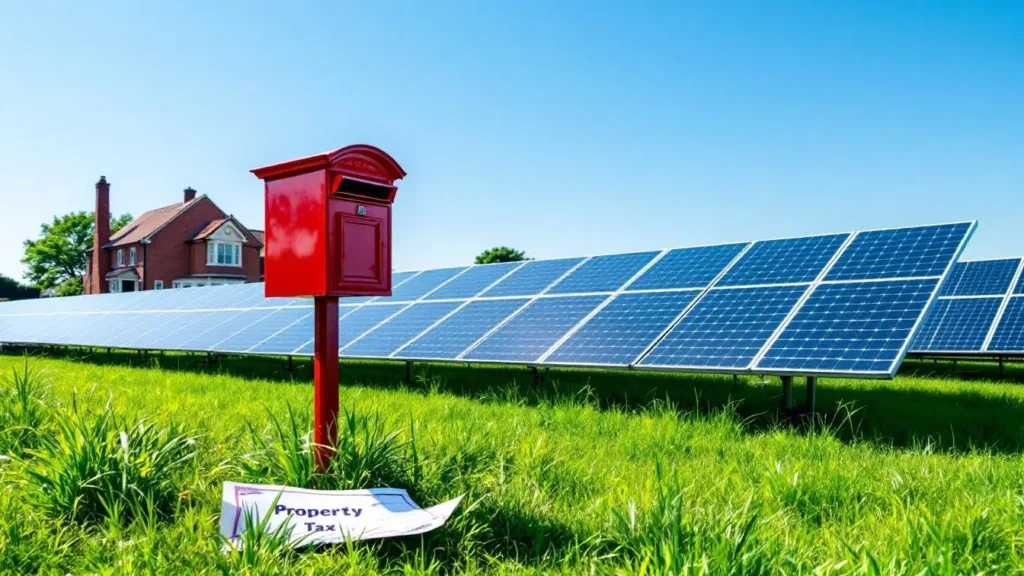
In recent years, the push towards renewable energy has led to an increasing interest in solar power, particularly among landowners considering leasing their properties for solar panel installations. While this might seem a financially rewarding venture, it is essential to peel back the layers and examine what it truly means for your taxes and financial future. Despite the promising allure of additional income from leasing land for solar energy projects, landowners might be faced with unexpected tax implications that could dramatically affect their tax liability. Understanding these potential changes can make a significant difference in how one navigates this landscape of renewable energy investment.
The Basics of Land Leasing for Solar Energy
Leasing land for solar energy production is increasingly common, especially in regions with high solar potential, such as the sunny expanses of the Scottish Highlands or the open fields in southern England. Landowners often view this as an opportunity to earn extra income without engaging in daily farming or heavy maintenance. Typically, solar companies offer competitive leasing rates, enticing landowners with promises of stable, long-term income. Although this might sound beneficial at first glance, the devil often lies in the details.
Once land is leased for solar power, it is essential to understand how this can alter the property’s classification. Unlike traditional agricultural uses, land utilized for solar farms is often classified under different tax brackets. In many regions, including parts of the UK, this can shift the land from agricultural valuation to commercial or industrial valuation. This transition can trigger significant tax increases, making annual budgets more complex for landowners.
The Impact of Property Tax Assessments
Property taxes are generally calculated based on the assessed value of the land. When a large-scale solar energy project is implemented, the value of the land can increase significantly, not necessarily because of any physical enhancements made to the land itself, but due to the income-generating potential associated with the solar installation. For instance, land that previously held a low agricultural value may be reassessed at a considerably higher commercial rate due to its new function.
To illustrate, consider a landowner in Kent who leases a modest 10-acre tract for solar panel installations. If the property was assessed as agricultural land with a value of £2,000 per acre, the total assessed value would be around £20,000. However, following the solar installation, the land’s value might soar to a commercial rate of £15,000 per acre due to its capacity to generate income via solar energy. This would lead to a new assessed value of £150,000, hence a tax increase that many might find unmanageable without adequate financial planning.
Navigating the Tax Implications of Solar Leasing
Understanding tax implications starts with the distinctions between various types of tax liabilities. While many discussions focus on direct property taxes, other factors should also be considered. For instance, when land is leased for solar energy, it typically generates regular income, which may be subject to income tax as well. This dual taxation scenario means landowners can find themselves in a more complex tax situation than anticipated.
On a broader scale, one of the most significant considerations in navigating these tax implications is understanding local tax law, which can vary significantly depending on one’s location. For example, some local governments provide property tax exemptions for solar energy systems to encourage renewable energy use, while others impose commercial taxes that can be substantially higher than agricultural assessments. It’s crucial for landowners to consult local tax assessors or financial advisors to fully grasp the implications of leasing their land. They may find that strategies such as negotiating lease terms that include provisions for tax liabilities could be beneficial, ensuring that any increase in taxes does not lead to a loss in profit.
As the renewable energy landscape evolves, policies around solar energy and land leasing will likely continue to change. Stakeholders, including landowners and local governments, are working together to find mutually beneficial arrangements, but uncertainty remains. Keeping abreast of changes in tax laws, incentives, and subsidies related to solar energy is essential for landowners considering leasing their land for solar panel installations.
The importance of renewable energy incentives cannot be understated. In countries like England and Scotland, initiatives aimed at promoting solar energy may include tax benefits for renewable energy investments and grants to aid in installation. However, as tax policies are established primarily at the local level, landowners should be proactive in researching what incentives exist in their region and how these policies may change over time.
Lessons from Landowners’ Experiences
Real-life experiences from landowners who have leased their land for solar projects can provide valuable insights. Take for example, a farmer in Yorkshire who decided to turn part of his farmland into a solar energy production site. Initially tempted by the lure of a steady monthly income, he soon discovered that the increase in property taxation after the solar installation left him with far less profit than expected.
This farmer’s plight serves as a reminder: It is crucial to fully assess potential tax implications before agreeing to any lease. Joining local farmer groups or online communities dedicated to renewable energy and land leasing can also provide essential support and shared experiences. These collective insights can help prospective lessees make informed decisions, shifting the focus from immediate financial gain to long-term fiscal responsibility.
Coping Strategies for Landowners
Planning and foresight are key when it comes to mitigating potential tax increases associated with solar leasing. Landowners should consider strategies which include the following:
- Consult with a tax professional to understand potential property tax increases.
- Negotiate the lease terms to potentially include shared liability for property tax increases.
- Keep vigilant about local taxation policies that may impact the financial outcome of leasing land for solar energy.
- Educate themselves on available renewable energy incentives that can offset costs.
- Engage with fellow landowners who have leased land for solar energy to learn from their experiences.
The journey towards renewable energy is undoubtedly a complex one. Yet, for those who choose to navigate this landscape wisely, the rewards can be profound—not just in terms of additional income, but also in contributing to a sustainable future for generations to come.